Is Peru Safe for Solo Female Travelers?
Is Peru safe for solo female travelers? Here’s what you need to know!
Some people are often shocked when I say I have traveled solo throughout almost the entirety of Latin America (the only country I haven’t been to yet is Venezuela.) I’ve spent many months traveling solo throughout Central America and South America, including several weeks of solo travel in Peru.
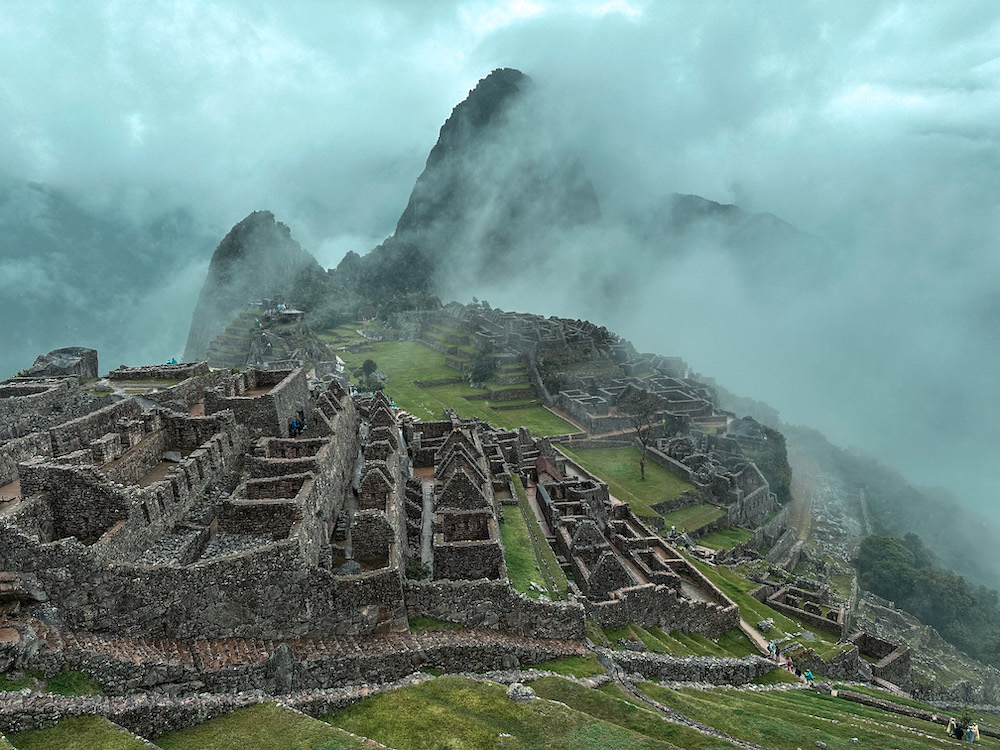
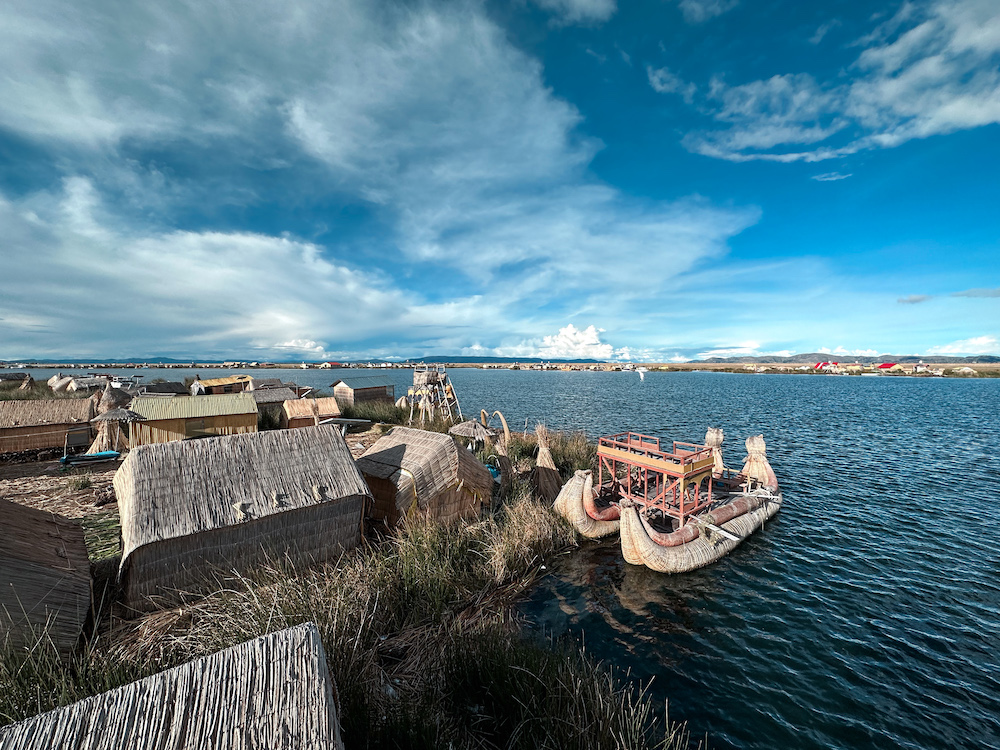
I explored the vibrant streets of Lima, drove ATVs around the Sacred Valley, strolled the ancient Incan streets of Ollantaytambo, took the train to witness the splendor of Machu Picchu, and visited floating islands inhabited by indigenous people on Lake Titicaca, all by myself on my solo Peru trip.
But Latin America is a very misunderstood region, and some people have preconceived notions about the safety of countries like Peru, even if they have never been there to experience it for themselves.
So that’s what I’m writing this guide today — to talk about safety for solo female travelers in Peru, as someone who has actually been there. And as someone who has traveled extensively on my own globally.
If you’re thinking of planning a solo trip to Peru but you’re not sure it’s safe, this is for you. Without further ado, let’s get into what you need to know about solo female travel safety in Peru!
The Reality of Safety in Peru
One of the most important things to understand about safety for solo travelers in Peru is that behind the fear-mongering and warnings you might read online, there are many, many solo travelers who visit Peru every day and experience zero issues. Having a safe trip is the norm, not the exception.
But of course, it’s important to acknowledge that bad things do happen to travelers. In Peru, your biggest concern is likely to be opportunistic crime like petty theft. There is a real risk of pickpocketing and phone snatching, especially in busy cities with lots of tourists, like Lima and Cusco.
This is something you can take steps to prevent (I have a guide about how to avoid pickpockets in Europe, but the advice applies to anywhere in the world.) As long as you remain vigilant and stay aware of your surroundings, this is something you really don’t have to worry about much while traveling in Peru.
At the end of the day, Peru was a well-trodden tourist trail. Plenty of infrastructure exists for tourism, which, in my opinion, makes this one of the easier South American countries to navigate on your own.
Street Harassment in Peru
One thing I did notice more of in Peru was street harassment from men. I had just come from spending several weeks in Ecuador, where I actually experienced very little street harassment.
But in Peru, there was a noticeable increase. Peru has a very “macho” culture, and there is a lot of catcalling. I noticed this the most in cities like Lima and Cusco. Although extremely annoying, it usually does not escalate, and your best course of action is to completely ignore catcallers and just keep walking.
Getting Around Safely
When it comes to transportation in Peru, you should always prioritize your safety. For traveling long distances between cities, it’s always worth spending more on a reputable bus company than taking a cheap local bus. I highly recommend Peru Hop. They operate tourist buses throughout Peru and are great!
For getting around within cities, don’t take unregulated taxis off the street. Uber and Cabify are the two main apps to use, and they are safer. I mainly used Uber and had no issues. I also took public transportation once in Lima (while on a tour), and it was a little hectic. I’d personally stick to Ubers (since they were quite affordable), but if you do use public transportation, be extra-vigilant about pickpockets.
Taking the train to Machu Picchu on Peru Rail is quite safe and highly regulated. You’ll arrive in the town of Aguas Calientes, and then there is an official bus that takes you the rest of the way to Machu Picchu.
This is good advice anywhere, but don’t walk around by yourself late at night, especially in unfamiliar areas. If you don’t have someone to walk with, it’s worth the small expense of an Uber to get back.
Language Barrier in Peru
Peru is primarily a Spanish-speaking country, although there are many people (especially in southern Peru) who were also raised speaking indigenous languages like Quechua and Aymara.
In touristy areas (especially Cusco, the Sacred Valley, and Machu Picchu), you will find that most people speak excellent English. This is especially the case if they work in hospitality, like a hotel, restaurant, or tour company. Outside of tourist hotspots, though, it’s less common to find English speakers.
I have a good working knowledge of Spanish, which definitely contributes to my comfort level traveling in Latin America. It’s not necessary to be fluent, but knowing some basics will definitely help you.
Civil Unrest in Peru
When I traveled to Peru in 2023, I had a very out-of-the-ordinary experience. Due to civil unrest in the southern part of the country, the tourism industry was heavily impacted. Machu Picchu even closed in late January and did not reopen until the beginning of March. My trip to Peru was in late March.
I had been monitoring the situation while I was in Ecuador, and I still decided to go through with my trip. By the time I got to Cusco and the Sacred Valley, everything was fully back to normal there.
But from Cusco, I wanted to travel further south to Puno, and then across the border to Bolivia. This is a route that Peru Hop normally operates an overnight bus for, but because of the ongoing civil unrest and the decline in tourism, they were no longer running this journey at the time that I was there.
The company still arranged the trip for me (at no extra cost!), sending a Peru Hop representative to accompany me to the Cusco bus station, where I boarded an overnight bus to Puno. When I would arrive in Puno the next morning, someone would be there to meet me and help me buy a ticket for the boat crossing to Bolivia (since the land border was closed), a journey I would undertake super early the next morning.
I shared the full story in my mishaps in South America post, but let’s just say my overnight bus ride did not go smoothly, and we were impacted by the civil unrest. Despite this, I never felt unsafe, because I knew the actions weren’t targeted at me — it was just a protest against the government.
Dealing with Altitude Sickness
One of the biggest safety concerns that you might not expect in Peru is altitude sickness! This is something that affects many travelers, and it has nothing to do with your age, fitness level, or anything else.
It can affect anyone. Many travelers experience it most severely when they first arrive in Cusco, a city at an elevation of 11,152 feet. It’s a smart idea to take it easy for a couple of days when you get to Cusco. Don’t rush into any intense hikes (like the Inca Trail trek to Machu Picchu) right away.
You need time to acclimate first. Common symptoms of altitude sickness include headaches, nausea, vomiting, loss of appetite, fatigue, difficulty sleeping, lightheadedness, and dizziness. (Fun!)
Spend your arrival day and at least one full day afterwards exploring the city and the surrounding Sacred Valley, but keep it relaxed. Drink plenty of water, avoid alcohol and caffeine, and take ibuprofen.
I have a whole guide about dealing with altitude sickness in Peru that you can read for more tips.
Alcohol and Drugs
I wanted to include a section about alcohol and drugs for solo female travelers. I’m sure I don’t need to explain the risks of becoming intoxicated while you are traveling on your own. It’s always a bad idea.
If you are intoxicated, you become extremely vulnerable to people who have bad intentions. My advice would be to avoid alcohol and drugs completely when you are traveling solo. It’s not worth the risk.
Some people travel to Peru for “plant medicine” experiences involving psychedelic drugs like ayahuasca or kambo. My stance on this is, again, not worth the risk. People have become seriously ill and even died after these sorts of experiences, and others have been assaulted or robbed while under the influence.
Food and Water Safety
As with many countries in South America, you cannot drink the tap water in Peru. I always recommend traveling with a refillable LifeStraw water bottle. It automatically filters tap water to make it drinkable. I have used my LifeStraw water bottle in Peru and many other countries with zero issues!
When it comes to food, be careful with salads, fruits, smoothies, and anything that contains produce that might have been washed in tap water. You should also be careful with street food, as the meat may have been sitting outside for a while or may have been prepared in less-than-sanitary conditions.
Why I Took Lots of Tours in Peru
One more thing I wanted to discuss before I finish this guide: why you should take tours in Peru! Although I traveled solo to Peru, I booked lots of day trips and guided tours while I was there.
Part of this was simply necessity. Some of the places I wanted to visit in Peru are difficult or impossible to reach with public transportation or require a lot of logistical planning. As I mentioned earlier, Peru Hop is a great option for transportation, and they also offer many tours around the country.
Organized day trips and guided tours are also a great way to meet other travelers if you are on your own. Since I was traveling at a weird time (many people had cancelled their trips to Peru because of the civil unrest), the social scene felt a little quiet when I was there. But normally, this is a go-to strategy for me!
For booking tours, I use Viator and GetYourGuide a lot when I travel. Both are tour aggregators that are very reputable and have many options for tours, day trips, and activities in Peru.
Is Peru Safe for Solo Female Travelers?
In case you can’t tell by now, the answer to this question is yes! Peru is absolutely safe for solo female travelers, as long as you take precautions, do your research, and know what to expect before you go.
I wouldn’t necessarily recommend Peru for a first-time solo female traveler, but if you have some solo travel experience under your belt already and you love adventurous destinations, you’ll have an amazing time in Peru. It’s a country that’s filled with jaw-dropping natural beauty, history, and culture.
Having traveled to almost every country in Latin America at this point, Peru definitely stands out to me as a destination with one of the biggest “wow factors”, and I highly recommend visiting.
Enjoy your trip to Peru!
Related Guides: