Europe Travel Mistakes
Planning a trip to Europe? Avoid these common mistakes!
As someone who has traveled extensively across Europe (40+ countries) on long-term trips and previously even lived in Europe (Paris, to be precise!), I have a lot of insights to share with you.
Below, you’ll find the most common mistakes that tourists make when traveling in Europe. As an American, these are mistakes that I see many other American travelers make, but the advice applies to visitors of any nationality. For many people, traveling to Europe is a once-in-a-lifetime experience.
American travelers often have limited vacation time, and it’s a pretty long journey to get to Europe (as it is for Canadians, Australians, and other nationalities), so you want to make the most of your time there.
However, these common Europe travel mistakes can ruin your trip if you aren’t careful!
Knowing what to avoid (and what to do instead) will ensure you have a great, memorable trip to Europe. Without further ado, here are the biggest mistakes that tourists make when planning a trip to Europe:
1. Trying to visit too many destinations
If you only have a week or two for your trip, it can be tempting to squeeze in as many destinations as possible. You don’t know when you might make it back, so you might as well see it all, right? But this is a recipe for disaster. You’ll end up tired and burnt out rather than truly enjoying yourself.
With just one week, don’t try to visit five cities in Italy or three different European countries. Instead, it’s much better to pick one country to focus on and two to three destinations within that country.

2. Overscheduling each day of your trip
Similar to my point above, don’t try to cram too much into each day of your itinerary either. Let’s take Paris, for example. On paper, you might think it’s possible to visit the Louvre in the morning, have a picnic in front of the Eiffel Tower for lunch, shop on the Champs-Elysées, and watch the sunset from Montmartre.
But in reality, that will be an exhausting day that sees you zig-zagging across the whole city. You’ll have a much better time if you don’t overschedule your days and leave some room for relaxed downtime.
3. Planning a continent-hopping itinerary
I see so many people make this mistake! Many travelers, especially Americans, assume that everywhere in Europe is extremely close. And while it’s true that you can go across the continent in just a couple of hours on a cheap flight, it doesn’t mean that a continent-hopping itinerary is a good idea.
For example, don’t fly from Paris to Barcelona to Rome on a trip — you’ll waste a lot of time getting to and from the airport, risk flight delays, and only scratch the surface of three countries. As I mentioned earlier, choose just one country, and explore two to three destinations within that country instead.

4. Visiting during the peak summer season
One of my biggest pieces of advice is to avoid traveling to Europe in the summer (especially the months of July and August) if you can. These are the hottest, most crowded, and most expensive months of the year. This is especially true for popular European cities and popular beach or island destinations.
If the only time you can travel to Europe is in the summer, I recommend going in early June or September instead. Or choose lesser-known regions like the Baltics for a summer vacation without the crowds.
5. Only sticking to the Instagram-famous spots
I’ve been lucky enough to travel around a lot of Europe, including the most well-known, “Instagram-famous” destinations, as well as more underrated places. Both are worth it in their own ways. I’m not going to discourage you from visiting somewhere like the Amalfi Coast if it’s always been on your bucket list.
But only visiting the Instagram-famous spots (like only going to Santorini and Mykonos in Greece, and not visiting any other islands) can be a little disappointing. I’ve written about some of the most overrated destinations in Europe and alternatives if you want to get some inspiration for where to go instead.

6. Underestimating public transportation
Many American travelers aren’t accustomed to the efficient public transportation that’s present in most European cities. With the exception of a few cities, public transportation in the US is pretty bad.
But in Europe, it’s a different story. Most European cities offer metros, trains, trams, and buses that make getting around a breeze. It’s cheaper and faster than taking a taxi or Uber, so take advantage of it!
7. Treating Europe like it’s one big country
Europe is a continent made up of 47 unique countries — it’s not all the same. It’s a big mistake to treat “Europe” as a monolith, because there are so many varied regions and countries within Europe.
You will have very different experiences traveling the Nordic countries compared to the Balkan countries, for example. Some countries might be right next to each other on the map, but they have totally different languages, cultures, landscapes, food, and traditions. So always keep that in mind!

8. Overpacking for your trip
Overpacking is a major mistake that I see many travelers make. If you are traveling for just one or two weeks, then I highly encourage you to only pack in a carry-on suitcase and a small backpack or bag. Even for longer trips, it’s doable — I once managed to travel Europe for three months with carry-on only!
This will help you so much on travel days (nothing worse than lugging a giant suitcase uphill on a cobblestone street or trying to find a place to store it on the train), and it will save you money on checked bag fees. If you must check a bag, make sure your suitcase is under the standard 50 lb (23 kg) limit.
At the same time, don’t forget to pack Europe travel essentials. Two of the most important things I always recommend packing for Europe are outlet adapters and portable cellphone chargers.
9. Not booking popular attractions in advance
There are many popular tourist attractions in Europe that you simply need to book in advance, either because they are likely to fully sell out or to avoid waiting in a long line to buy tickets the day of.
You should always research what you should buy tickets for in advance in the destinations you are visiting. It doesn’t cost anything extra to book attractions in advance, and it’s worth the peace of mind.

10. Only visiting the top tourist attractions
There’s a reason that popular tourist attractions are popular. If it’s your first time in Rome, I would never suggest that you skip the Colosseum, the Roman Forum, or the Vatican Museums. But make sure that you don’t only visit the top tourist attractions. Take some time to visit lesser-known places too.
In Rome, you might spend some time wandering around the charming Trastevere neighborhood in the evening and have dinner there. Or visit a hidden gem museum like the gorgeous Palazzo Colonna.
11. Skipping small towns and nature
Similarly, don’t only stick to big cities in Europe! Be sure to make time to visit smaller towns or get out in nature. I’m a city girl through and through, and European cities are impressive. So I understand the impulse to plan a trip centered around cities. But it’s honestly worth venturing out more!
You can always stay in a city and use it as a base for exploring other destinations on day trips. But it can also be worth staying for a few days outside the city. For example, leave the hustle and bustle of London behind and spend two or three days in the charming Cotswolds region of England instead.

12. Forgetting travel-friendly cards
If you’re traveling to Europe, be sure you’re prepared with travel-friendly debit cards and credit cards. You may also want to notify your bank that you’ll be traveling out of the country before you go.
For Americans, I recommend the Charles Schwab Investor Checking debit card. This allows you to withdraw money from ATMs anywhere in the world and get the ATM fees refunded at the end of the month.
For a credit card, I recommend the Chase Sapphire Preferred Visa credit card, which has no foreign transaction fees and lets you earn points you can redeem for free travel. It’s also important to note that American Express credit cards are not widely accepted throughout Europe, but Visa and MasterCard are.
13. Not having cash (or having too much cash)
Some destinations in Europe are very cash-heavy, while others prefer cards (and may not accept cash at all!) I noticed that while traveling through the Balkan countries, many places were cash-only.
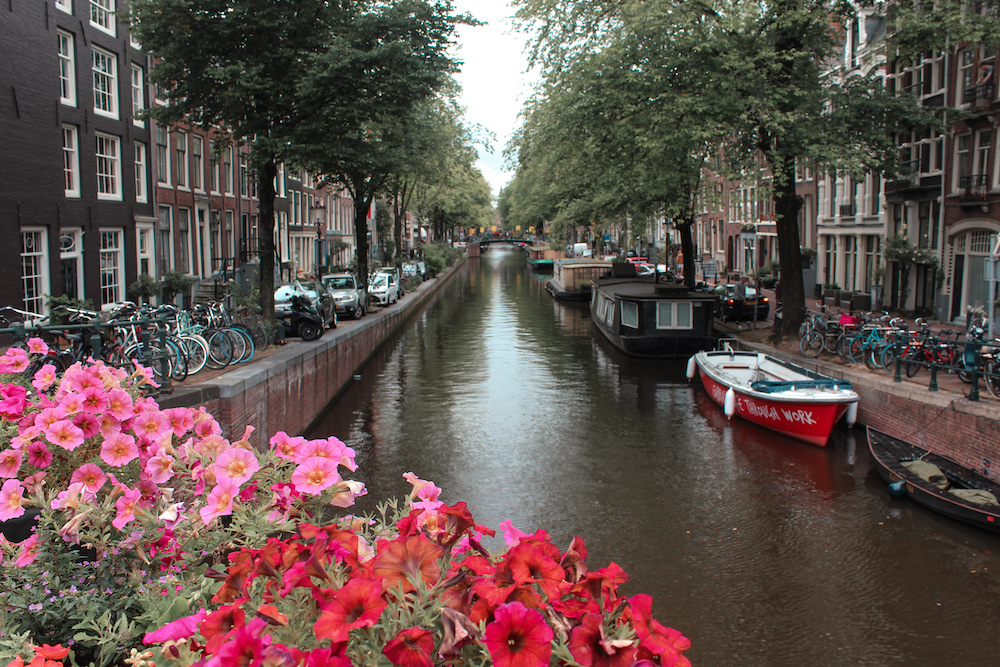
But in cities like Amsterdam and Copenhagen, you can often only pay with card. So be sure to research your destination before you go. It’s a good idea to always have a little bit of local currency on hand, but you might not want to withdraw hundreds of dollars if you don’t actually need to use it.
14. Ignoring local dining customs
Dining out can be a very different experience in Europe compared to the US. In some countries (like France, Spain, and Italy), dinner might be eaten much later than what you’re used to back home. But in other countries (like the Nordic countries and the UK), dinnertime is the same as you might expect at home.
Unlike at restaurants in the US, where servers constantly check on you throughout your meal and bring you the bill at the end of your meal, you’re expected to flag down the server yourself if you need anything in Europe. Menu substitutions are not common, and meals are usually longer and more leisurely.
15. Eating at tourist trap restaurants
There is nothing worse than being let down by a bad meal in an overpriced tourist restaurant. Especially if you’re in a city that is renowned for its cuisine, like Paris or Rome. How do you avoid tourist traps?
First of all, do your research! If you read reviews and look for local recommendations, you’re likely to avoid disappointment. But it’s also a good rule of thumb to avoid eating at restaurants located right next to popular tourist attractions or restaurants that have menus with pictures and multiple languages.
16. Not researching tipping norms
Tipping norms vary across different European countries. In some countries, 10% might be expected after a meal, while in other countries, it’s common to just round up a euro or two, or leave nothing at all.
If the locals don’t tip, you shouldn’t do it either. Recently, I’ve noticed that some restaurants in popular destinations will try to pressure American tourists to leave a tip. Although you might be used to tipping at home, there’s absolutely no reason to do it abroad if local norms dictate otherwise.
17. Staying outside the city center to save money
Many European destinations can be very expensive, so it might be tempting to book hotels that are outside the city center to save money. However, I don’t recommend doing this! You’ll save money, but you’ll lose valuable time if you have to take public transportation 30 minutes into the city center each day.
If you only have a few days in a city, it’s worth staying in a central neighborhood close to popular tourist attractions, restaurants, and shopping. This is one area where I would not cut corners — you can find other ways to save money on your trip, but staying in a central location is definitely worth it.

18. Falling victim to scams or pickpockets
Nothing can ruin your dream trip faster than losing money to a scam or being pickpocketed. In big cities and around popular tourist landmarks, scams and pickpockets abound. But by being vigilant, you can easily avoid them. When it comes to scammers, a stranger approaching you is usually bad news.
Ignore people who come up to you trying to get you to sign a petition, give you a “free” rose, or tie a friendship bracelet onto your wrist. These are classic scams. Don’t feel bad for ignoring them, and just keep on walking. Scammers often rely on your politeness to stop and engage — don’t give it to them.
When it comes to pickpockets, you should always keep your valuables close and secure, and maintain strong situational awareness, especially in busy and crowded areas. I also have a whole guide on how to avoid pickpockets in Europe, which contains some valuable tips to help you stay safe against theft.
19. Paying for an expensive phone plan
When traveling to Europe, you might be able to use your phone plan from home — but it can come with expensive data roaming charges or a high daily fee. Instead, I recommend getting a local eSIM for your trip.
This doesn’t interfere with your current phone plan or phone number. It simply gives you access to local data at a very affordable price, so you can stay connected, browse the Internet, navigate, and so on. I use Airalo for this every time I travel to Europe. All you have to do is download the app to get started.
Europe Travel Mistakes
This guide showed you the biggest Europe travel mistakes to avoid.
If you’re planning a trip to Europe, I want you to have the best experience possible. Knowing what to avoid when it comes to common Europe travel errors will ensure that you have a great time on your trip. I hope that you found these tips helpful and feel more confident in your Europe travel planning.
Have a great trip to Europe!
Related Guides:
- 10 Travel Mistakes Costing You Money
- How to Manage Your Money While Traveling Abroad
- 17 Common Mistakes to Avoid in Paris
- What Not to Do in Barcelona: 14 Big Mistakes Tourists Make
- What Not to Do in Italy: 15 Common Tourist Mistakes
- 16 Mistakes to Avoid in Rome (What Not to Do in Rome for Tourists!)
- What Not to Do in Florence: 13 Common Tourist Mistakes to Avoid
- 14 Major Mistakes Travelers Make in Greece
- What Not to Do in London: 16 Mistakes Tourists Make
- What Not to Do in Scotland: 17 Mistakes to Avoid