Balkans vs. Baltics
What’s the difference between Balkans vs. Baltics? And which European region should you visit?
This guide will help you answer that question! Many people confuse the Balkans and the Baltics, probably because of the similar names and because they’re both on the eastern side of Europe.
But each of these regions is very distinctive! This guide will cover the differences between the Balkans and the Baltics, and also help you decide which region you should visit. I’m writing this from the perspective of someone who has traveled to all of the Balkan countries and all of the Baltic countries.
So let’s get into it, starting with where exactly these regions are:
Where Are the Balkans?
The Balkans are in Southeastern Europe, and are comprised of the following countries:
- Slovenia
- Croatia
- Montenegro
- Albania
- Serbia
- Bosnia & Herzegovina
- Kosovo
- North Macedonia
- Bulgaria
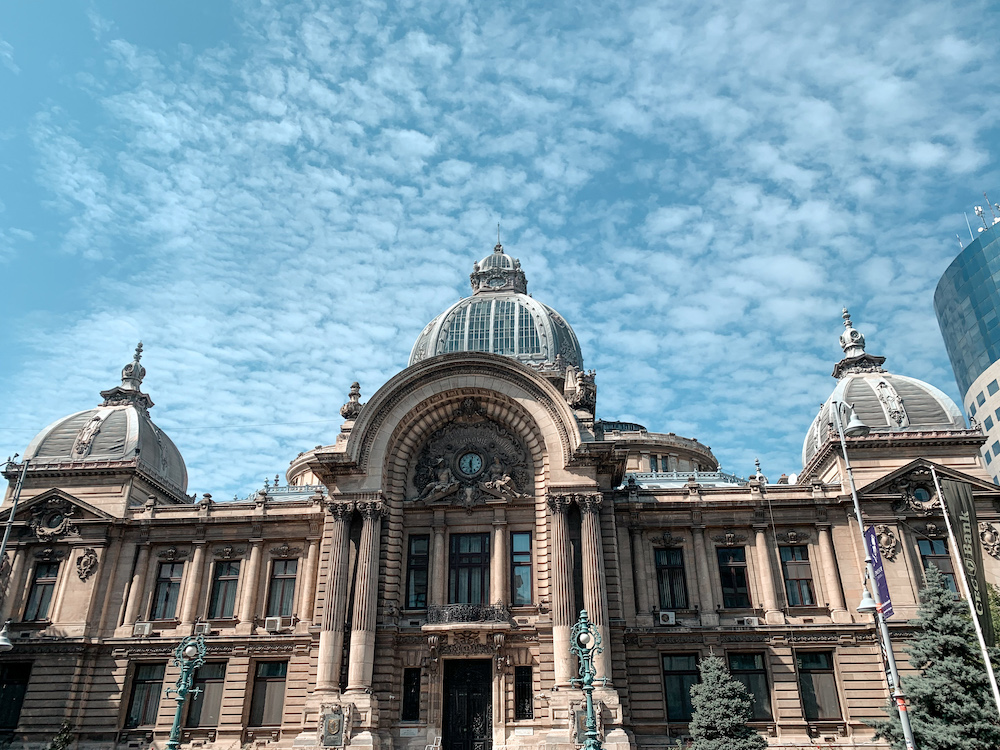
- Romania
I’ve also seen some maps of the Balkans that include Greece as part of the region. Geographically, it’s part of the Balkans, but culturally, it’s a lot different from the rest. The same goes for Turkey.
Many of the countries in the Balkans are part of the former Yugoslavia, which existed from 1918 until 1992. Today, the countries that made up former Yugoslavia are all independent nations: Slovenia, Croatia, Montenegro, Serbia, Kosovo, Bosnia & Herzegovina, and North Macedonia. (Kosovo only has partial diplomatic recognition and Serbia still claims it, but I am including it to recognize its sovereignty.)
Although there are some similarities between many Balkan countries, it’s a large and diverse region.
The origin of the word “Balkan” is from Turkish, and it means “mountains.” The countries of the Balkans are largely located on the Balkan Peninsula, bordered by the Adriatic, Ionian, Aegean, and Black Seas.
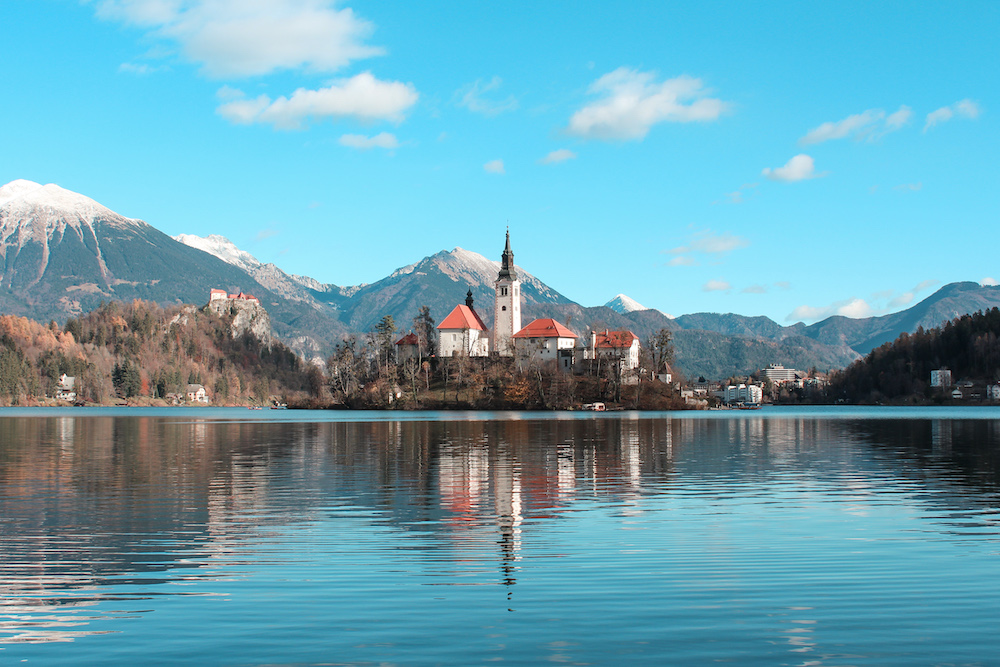
Where Are the Baltics?
The Baltics are in Northeastern Europe, and are comprised of the following countries:
- Estonia
- Latvia
- Lithuania
As you can see, the Baltics is a much smaller region than the Balkans, with only three countries. All three of these countries were occupied by the Soviet Union from 1940 until its dissolution in 1991.
The Baltic countries definitely have a lot of similarities between them, but each one is still unique. The origin of the word “Baltics” comes from the Baltic Sea, on which all three countries are located.
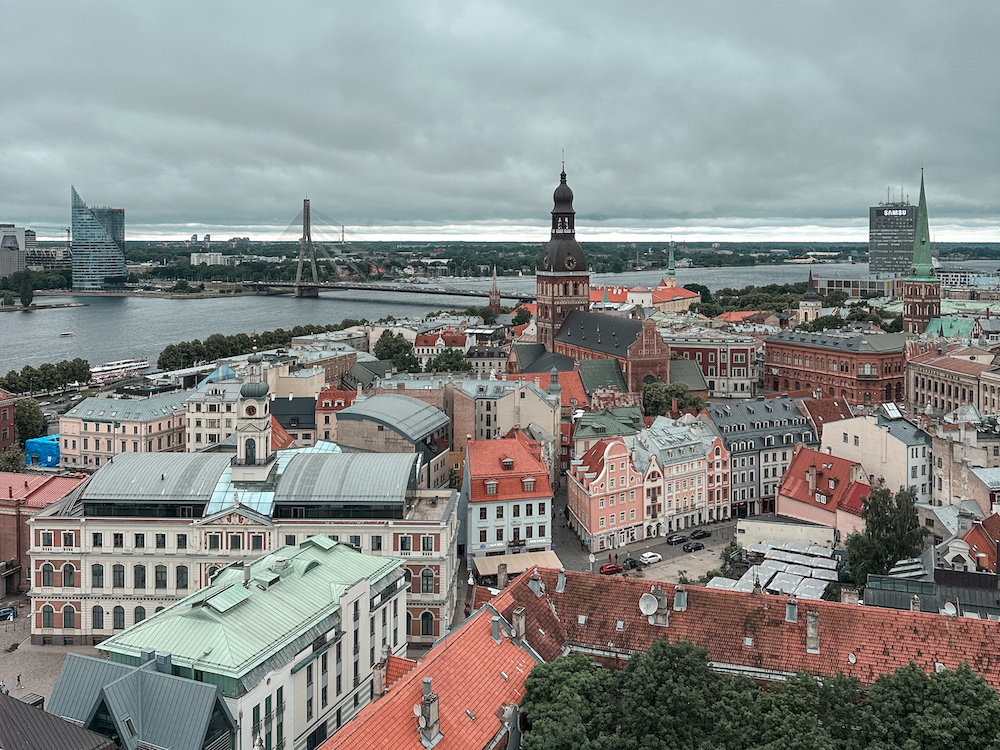
Differences Between the Balkans and the Baltics
Aside from a slight similarity in names, there are many differences between the Balkans and the Baltics! Those differences are historical and cultural, and the regions also offer different travel experiences.
Language Differences
In the Balkans, many different languages are spoken, but a lot of them are very similar. For example, Bosnian, Croatian, Montenegrin, and Serbian are almost the exact same. Bulgarian and Macedonian are also highly mutually intelligible. Slovenian, Albanian, and Romanian are more of the outliers.
In the Baltics, there are three languages: Estonian, Latvian, and Lithuanian. Estonian is very distinctive and has a lot in common with Finnish, while Latvian and Lithuanian have more similarities.
I found that in the Baltics, people were much more likely to speak some English (even outside of working in tourism or hospitality), whereas this is not the case in the Balkans. Outside of Slovenia and Croatia, I encountered a pretty big language barrier in many countries I traveled to in the Balkans.

Geographic Differences
I have to say that the Balkans have a strong edge when it comes to geographical diversity. You have beautiful mountains throughout the region, from the Alps in Slovenia to the Carpathians in Romania. You also have the amazing Adriatic coastline, from the islands of Croatia to the bays of Montenegro to the beaches of Albania. There are also lakes, waterfalls, gorges, and more in this picturesque region.
The Baltics have nice scenery, but it’s nowhere near as dramatic as the Balkans. There are no mountains to speak of (the highest point in the region is only 1,000 feet above sea level), and while there are Baltic Sea beaches, they are usually cold and gray in comparison to the glittering turquoise of the Adriatic.
The Balkans have a milder climate, being located further south. Summers can be scorching hot, while winters are temperate along the coast (although it can be cold and snowy once you’re inland.)
The Baltics are much colder overall, with freezing and snowy winters, and chilly weather during spring and fall. Summers are pleasant and usually milder, making it a very enjoyable time to visit.
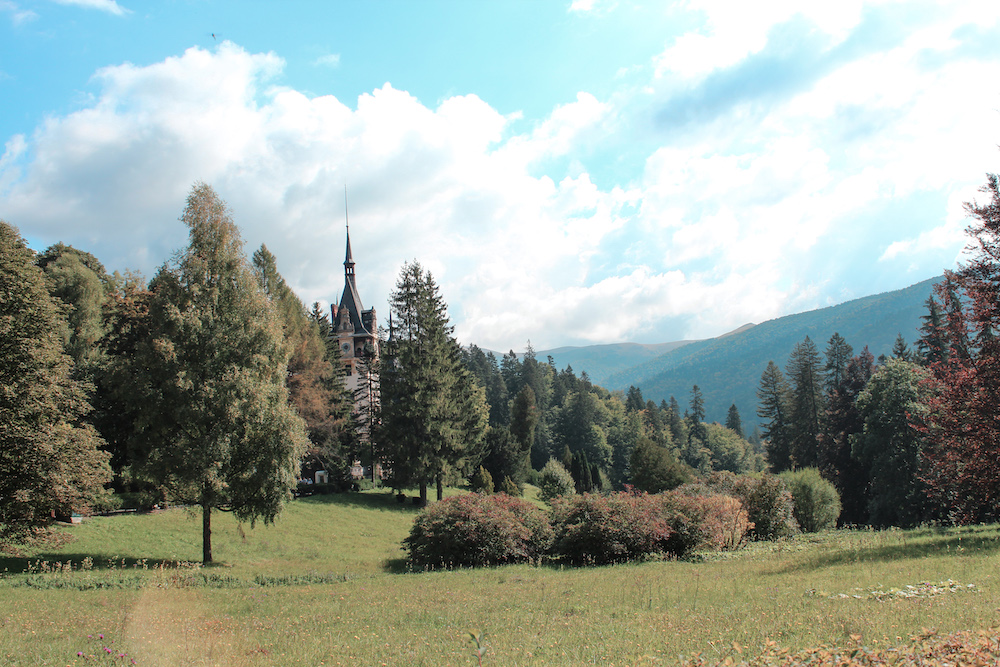
Historical and Cultural Differences
Both regions are very different when it comes to history and culture. With the Balkans in Southeastern Europe and the Baltics in Northeastern Europe, they don’t share much in common due to distance.
The one similarity is that both regions were Communist for a good portion of the 21st century. Much of the Balkans was part of Yugoslavia for half a century, while Albania and Bulgaria had their own Communist governments. And the Balkans had been annexed by the Soviet Union beginning in 1918.
All three of the Baltic countries joined the EU in 2004, while many of the Balkan countries still aren’t part of it. Only Slovenia, Romania, Bulgaria, and Croatia are, joining at various points from 2004 until 2013, while the remaining six countries in the Balkans are still just candidates for joining.

Travel Differences
Having traveled in both regions, I have noticed a number of differences.
I can honestly say that traveling in the Balkans proves a little more challenging due to language barriers and less developed tourism infrastructure. The exceptions to this would be Slovenia (which feels more Central European) and Croatia (which is the biggest tourism powerhouse in the Balkan region.)
The Baltics reminded me more of the Nordic countries, or Poland, and I found them to be more orderly, efficient places to travel. I also found that more young people speak English in the Baltics.
Price-wise, the Balkans and the Baltics are both more affordable regions than, say, Western Europe. However, the Balkans has the edge when it comes to lower prices. That being said, both Slovenia and Croatia are a bit more expensive — I’d say those countries are on par with Estonia, Latvia, and Lithuania.
When it comes to getting around, the Baltics win. It’s a much smaller region, and easy to travel by public transportation. The Balkans, on the other hand, is much larger and doesn’t always have the best public transportation, especially when it comes to going from country to country.
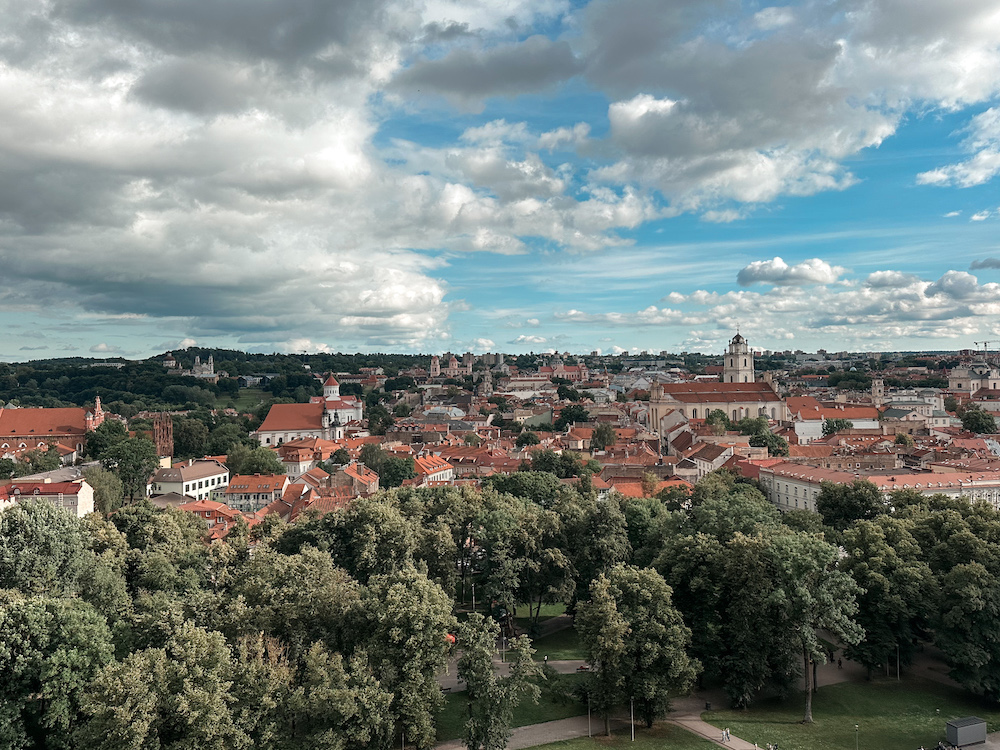
Highlights of the Balkans
Honestly, the Balkans is such a large region that it’s hard to choose the highlights!
For a first-time visitor, though, I’d recommend focusing on Slovenia, Croatia, and Montenegro. Croatia is by far the most popular of the three, and you could easily spend two weeks just in Croatia. Slovenia and Montenegro are both smaller, and you can see many of the highlights in a few days for each.
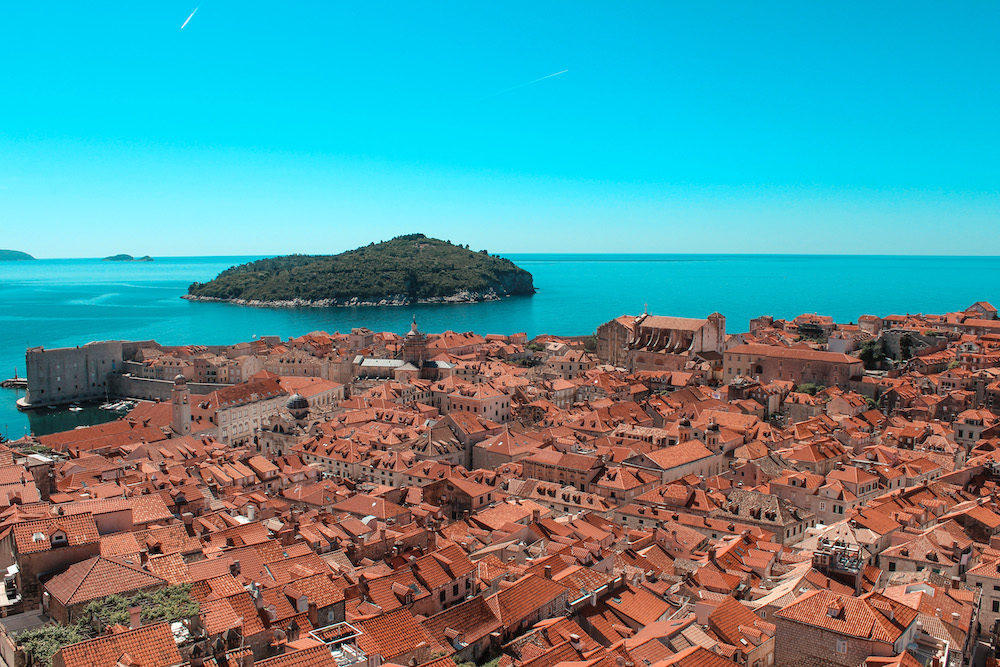
In Croatia, highlights include the historic walled city of Dubrovnik, the coastal city of Split, the glamorous island of Hvar, and the beautiful national parks of Plitvice Lakes and Krka. In Slovenia, I recommend visiting both the capital Ljubljana and Lake Bled. And in Montenegro, the towns of Kotor and Budva are great. This is the perfect trip to do in the late spring or early fall, avoiding the tourist crowds of summer.
If you’re looking to get more off the beaten path and don’t mind destinations that are just a little rough around the edges (for Europe), then you should definitely consider the other countries of the Balkans.
For travelers on a tight budget, countries like North Macedonia, Bulgaria, Romania, and Albania are among the cheapest in Europe. You could easily spend several months backpacking the Balkans.
Highlights of the Baltics
The Baltics is a great place to go if you’ve seen a lot of Europe already and you’re tired of the crowds, and want to visit a region that is more relaxed and calm, but still packed with charm and beauty.
Because it’s quite small, you can cover a lot more ground in less time here.
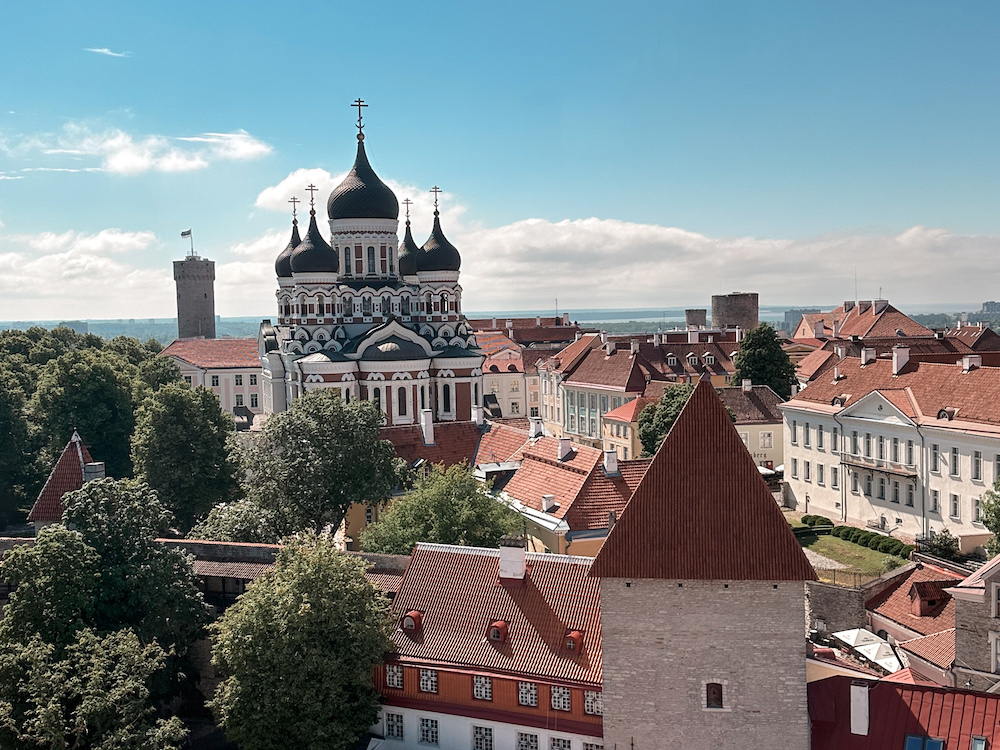
The highlights of the Baltics are the capital cities of each country: Tallinn, Estonia, Riga, Latvia, and Vilnius, Lithuania. If you only have a week in the Baltics, I’d hop between those cities. Each one is quaint and lovely, with cobblestone streets, colorful old buildings, and plenty of things to do.
With a little more time (ten days to two weeks), you can use the capitals as a base and take day trips around the countries. The second city of Tartu in Estonia, the castles in Bauska, Cesis, and Sigulda in Latvia, and the castle in the lake in Trakai in Lithuania would be my top picks for the best day trips.
Balkans vs. Baltics
Hopefully this guide helped you understand the differences between the Balkans and the Baltics!
After traveling to both regions, I would highly recommend both of them for travelers who are looking to go beyond the most popular tourist destinations in Europe and discover something different. Each region is unique and distinctive, but they both offer equally rewarding travel experiences.
Related Guides: