Best UNESCO World Heritage Sites to Visit (My Personal Favorites!)
What are the best UNESCO World Heritage Sites to visit? As someone who has been to 110 World Heritage Sites across the globe, I wanted to highlight some of the best sites that everyone should visit.
What exactly are UNESCO World Heritage Sites? In case you aren’t familiar, these are sites that have been designated by UNESCO as “cultural and natural heritage around the world considered to be of outstanding value to humanity”. There are currently more than 1,200 World Heritage Sites globally.
Each World Heritage site is classified as cultural, natural, or mixed. It can be difficult to compare and rank them against each other, because there are so many varied sites including entire historic centers of cities, individual archaeological sites or monuments, and national parks. But I’m going to try!
Below, you’ll find my ranking of the top 15 best UNESCO World Heritage Sites I think everyone should visit. This is based on my personal preferences and the “wow factor” I think will appeal to many people.
For the purpose of this list, I only allowed myself to choose one site from a country (which was so hard, because a few countries like India and Italy had multiple contenders for best sites, but I narrowed it down). Also, keep in mind that this list is based only on World Heritage Sites I’ve personally traveled to.
Without further ado, here are the best UNESCO World Heritage Sites to visit (in no particular order):
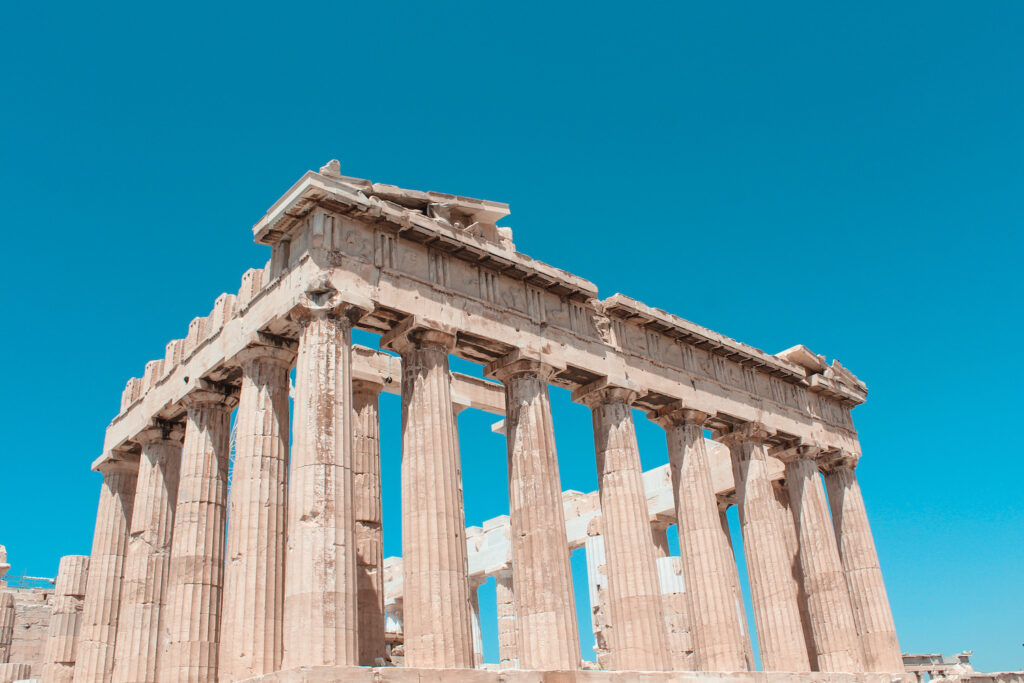
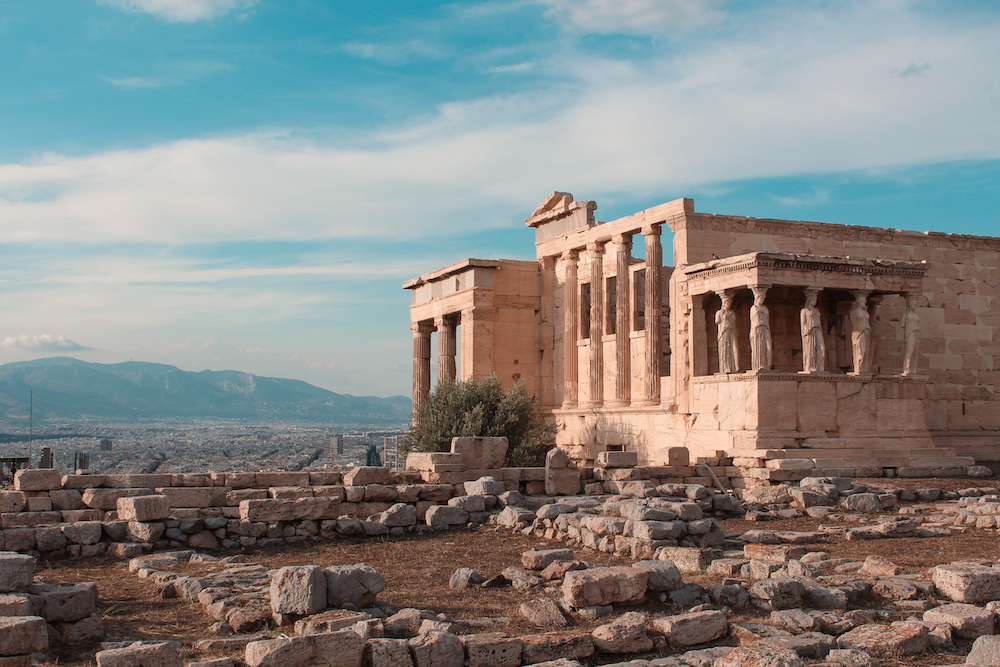
1. Acropolis, Athens (Greece)
Athens is such a remarkable city because it seamlessly blends modern with ancient. The hilltop Acropolis is one of the most famous sites in Athens. Dating back to the 5th century BC, the monuments of the Acropolis represent the pinnacle of classical antiquity, and it’s a must-visit for anyone interested in ancient Greece.
It’s no surprise that visiting the Acropolis is one of my top recommendations for the best things to do in Athens. And be sure to visit the nearby Acropolis Museum first to learn more context about its history!
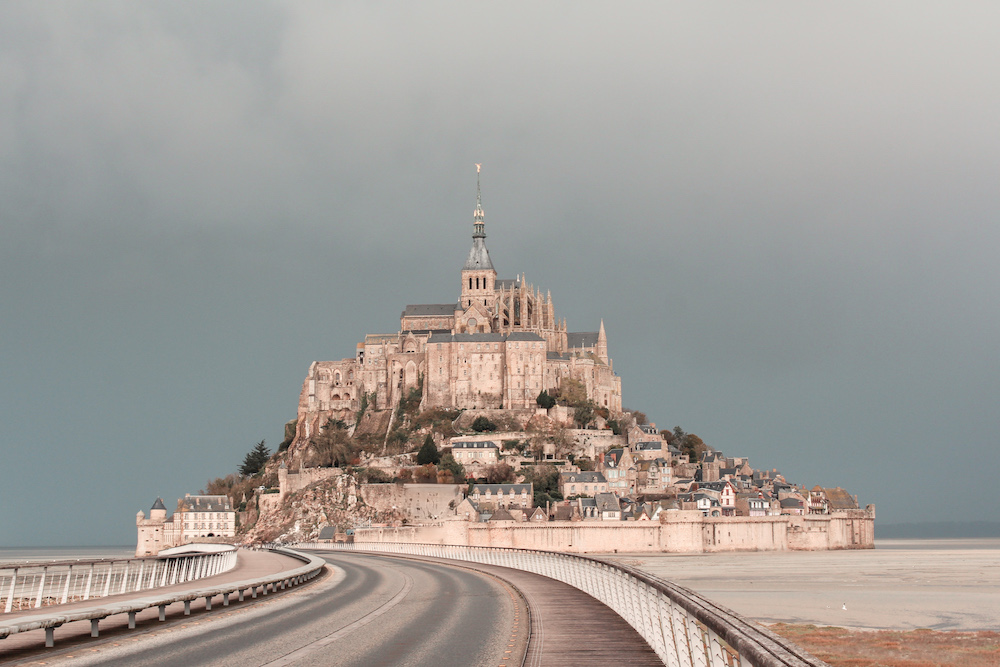
2. Mont-Saint-Michel and its Bay (France)
I’ve been to many incredible World Heritage Sites in France, but Mont-Saint-Michel ended up taking the prize for this list. Located in Normandy, this tidal island off the northwestern coast of France is unique because of the imposing medieval abbey topping the island, with a small village directly below.
The abbey dates back to the 10th century and is one of the most important sites in medieval Christian history. You can technically visit Mont-Saint-Michel on a day trip from Paris, but I don’t recommend it — it’s way too long of a journey. Instead, I recommend visiting as part of a larger trip to the Normandy region.
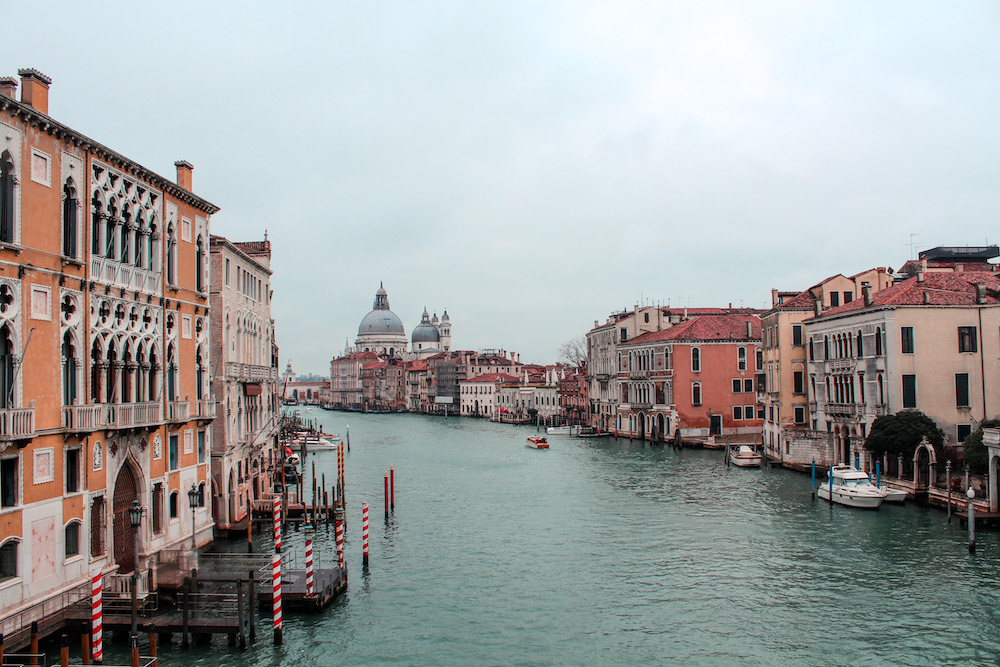
3. Venice and its Lagoon (Italy)
Italy is another country with so many incredible World Heritage Sites (in fact, it has more than any other country, with over 60!), so it was very hard for me to choose just one. But I’m going with Venice, because it’s truly a city unlike any other in the world, and I find myself returning again and again.
Venice is composed of 126 islands connected by 472 bridges. It’s a car-free city, and the only modes of getting around are by foot or by boat (and yes, that includes gondolas!) It’s an enchanting place that feels frozen in time. And you can easily visit other islands in the Venetian Lagoon on day trips.
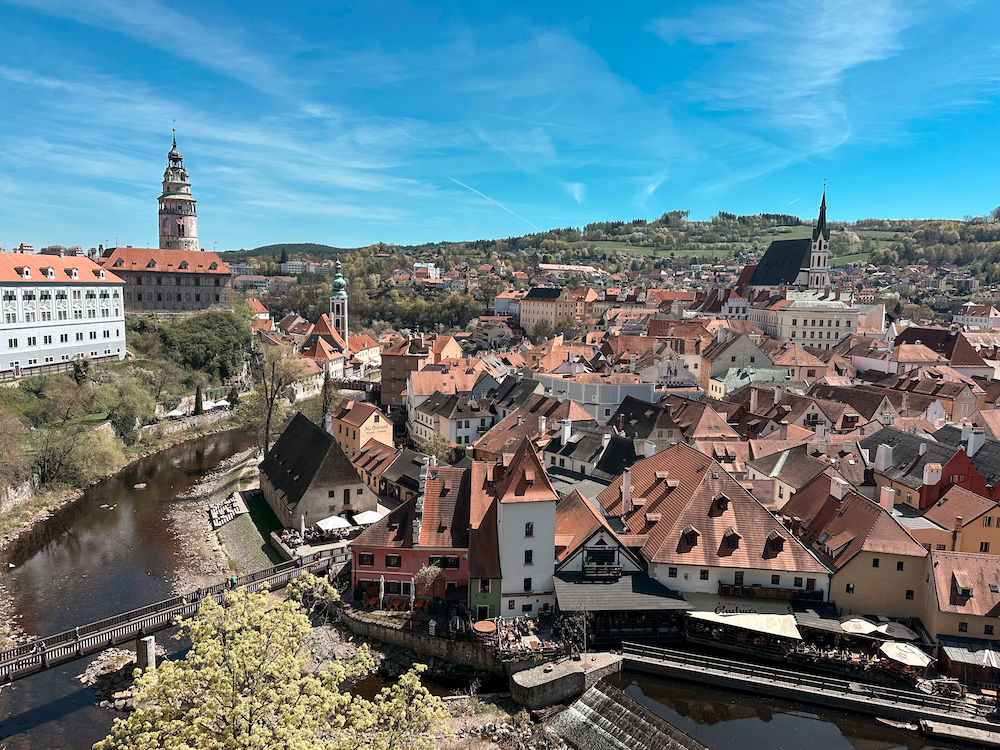
4. Historic Centre of Cesky Krumlov (Czech Republic)
Naturally, you should visit Prague, the capital of the Czech Republic. The city’s historic center is also a World Heritage Site. But when I think of the destination that really captivated me in this country, it’s the small town of Cesky Krumlov, which feels like something straight out of a fairytale. (Cliche but true!)
This town was built on the banks of the Vltava River around a 13th-century castle. You can visit on a day trip from Prague (it’s about a two-hour drive), but it can get quite crowded. I went in the off season, so it was pleasant, but if you’re visiting from May through September, try to go on a weekday to avoid some of the crowds. Or better yet, stay overnight and enjoy the quiet of the town in the morning and evening.
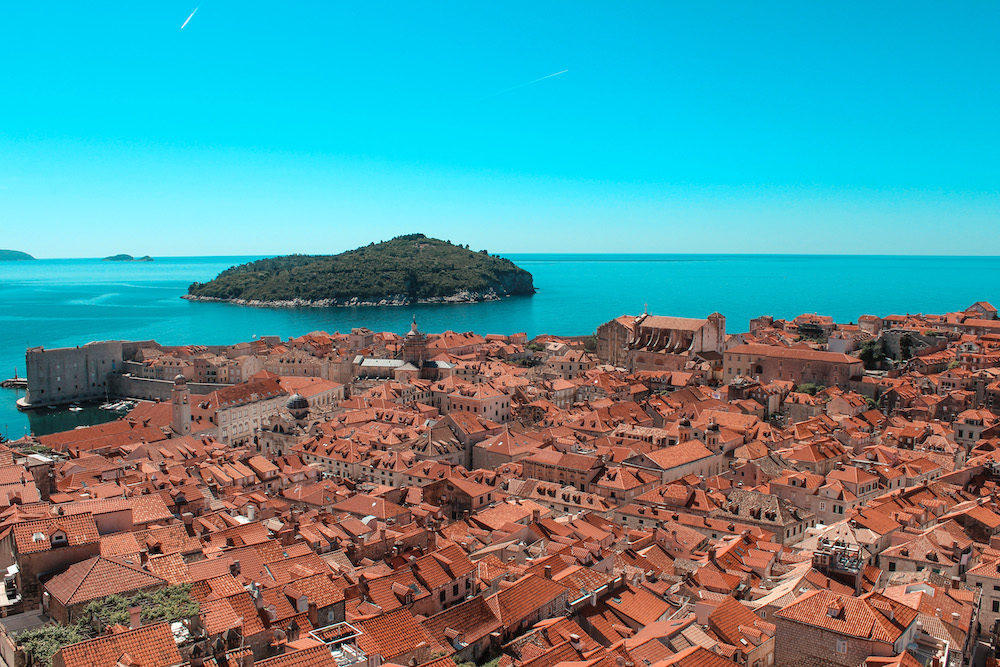
5. Old City of Dubrovnik (Croatia)
Dubrovnik’s walled Old City is a sight to behold. Known as the Pearl of the Adriatic, this city became a major maritime power beginning in the 13th century. Today, Dubrovnik is famous for its beautifully preserved, pedestrian-only Old City, filled with historic stone buildings with red-tiled roofs.
There are so many cool things to do in Dubrovnik, from walking the city walls to sea kayaking to riding the cable car up Mount Srd to taking walking tours. Game of Thrones filming location tours are especially popular, but I’ve never seen the show. I personally really enjoyed a history-focused walking tour.
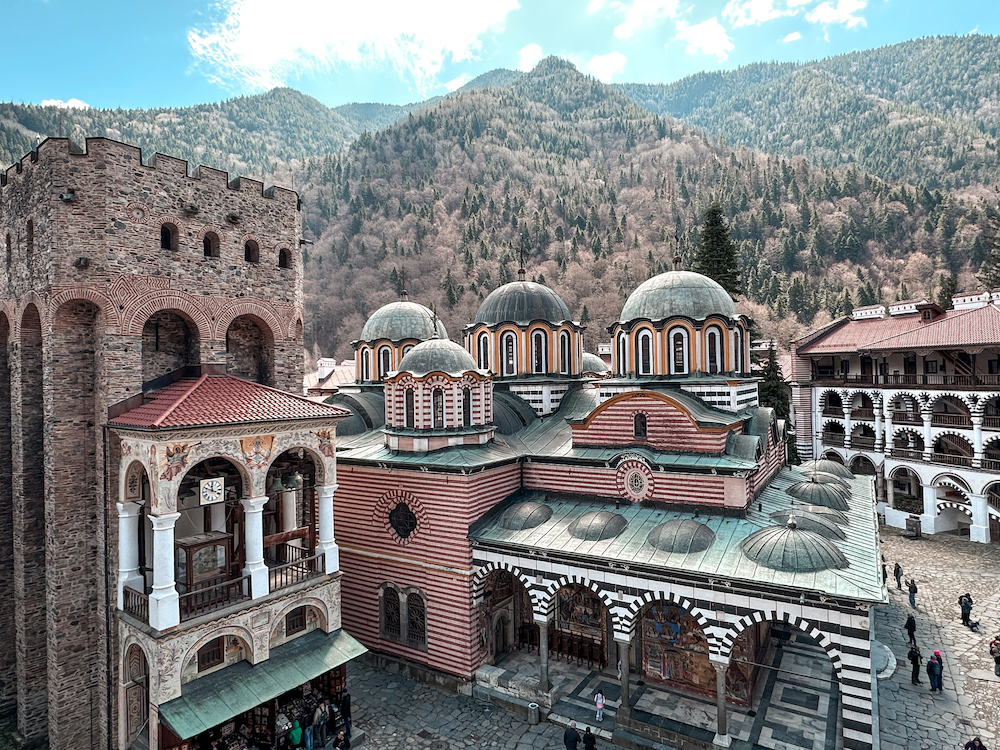
6. Rila Monastery (Bulgaria)
You might have heard of all the other places on this list so far, but many people have no idea that Rila Monastery even exists. I think Bulgaria is a criminally underrated destination, and I was blown away by this World Heritage Site. This peaceful monastery in the mountains dates back to the 10th century.
However, it was almost entirely rebuilt after a fire in the mid-19th century in the Bulgarian Revival style. I happily spent several hours wandering here, admiring the architecture and discovering hidden corners. You can visit Rila Monastery on a day trip from the capital Sofia (it’s less than two hours away).
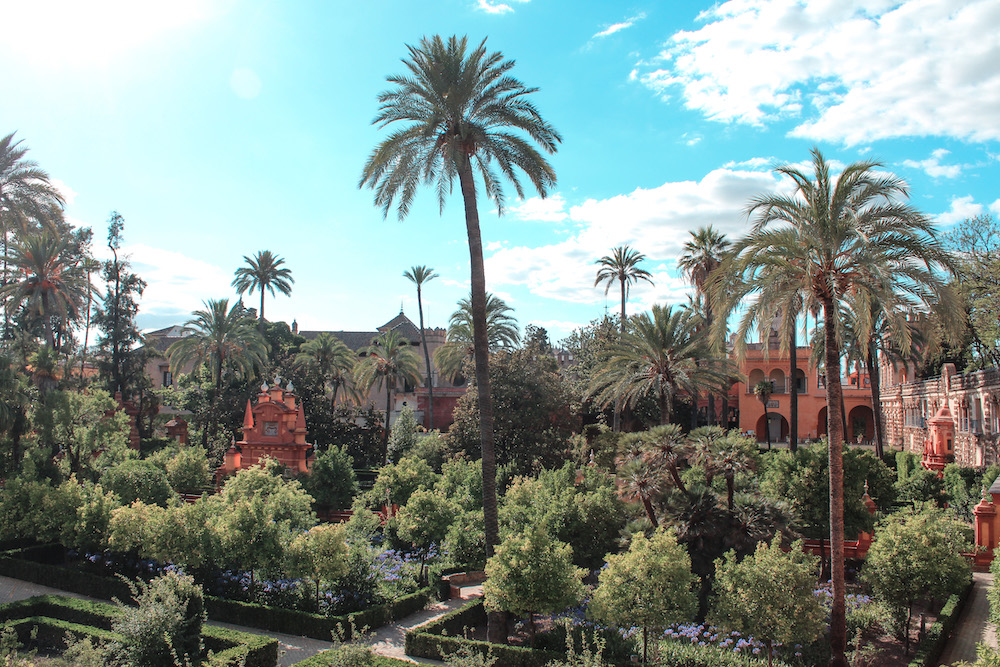
7. Cathedral, Alcázar and Archivo de Indias in Seville (Spain)
Seville is one of my favorite places in Spain. It has a strong Moorish influence, which can be seen in much of the city’s architecture. This capital of the Andalusia region is home to a World Heritage Site encompassing Seville Cathedral, the Alcázar (historic palace), and the Archivo de Indias (historic library).
You can easily visit all three of these locations in a single day, but I recommend spending several days in Seville. The city also makes a great base for taking day trips around Andalusia. You can even visit another World Heritage Site, the beautiful city of Cordoba, in just 45 minutes by train from Seville.
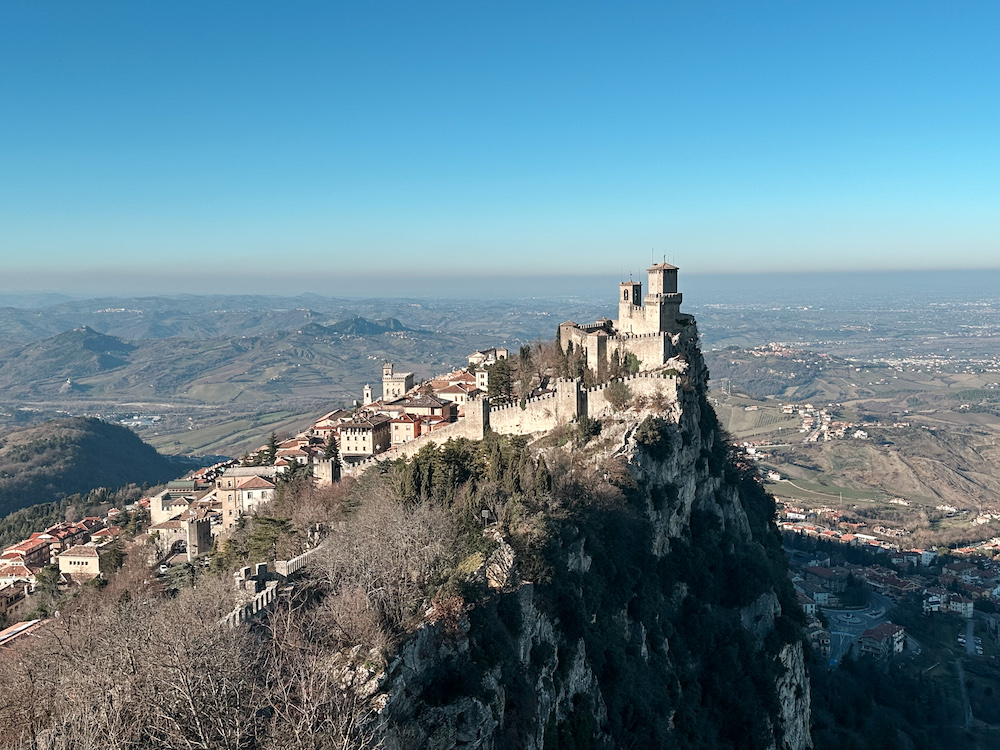
8. San Marino Historic Centre and Mount Titano (San Marino)
I am obsessed with quirky travel challenges like visiting all of the smallest countries in Europe, and I finally completed that with a trip to San Marino. This tiny country is fully surrounded by Italy, and many people don’t even know it exists. But it’s a destination that really captivated and surprised me.
The capital of San Marino is a town also called San Marino, and it’s built on the three peaks of Mount Titano. San Marino is unique because it’s the oldest republic in the world, founded in 301 AD. You can visit San Marino on a day trip from Bologna, Italy (but if you have time, definitely spend at least a night there!)
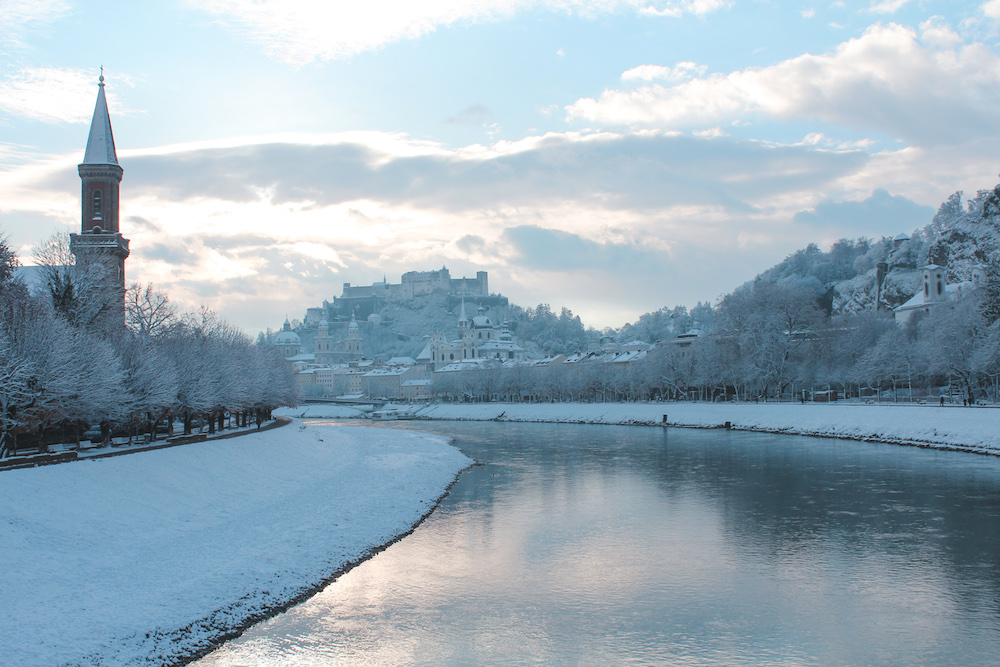
9. Historic Centre of the City of Salzburg (Austria)
Salzburg is a magical city — I’ll let the photo below speak for itself! It has gorgeous Baroque architecture, and is perhaps best known for being the birthplace of Wolfgang Amadeus Mozart. Attending a Mozart concert at Mirabell Palace was definitely one of the most memorable things I did while in Salzburg!
This is a great place to stay for a few days. There’s a lot to do, from visiting the hilltop Hohensalzburg Fortress to the impressive Hellbrunn Palace. I visited in early December when the Christmas markets of Salzburg were kicking off, and this was definitely a special time of year with a very festive ambience.
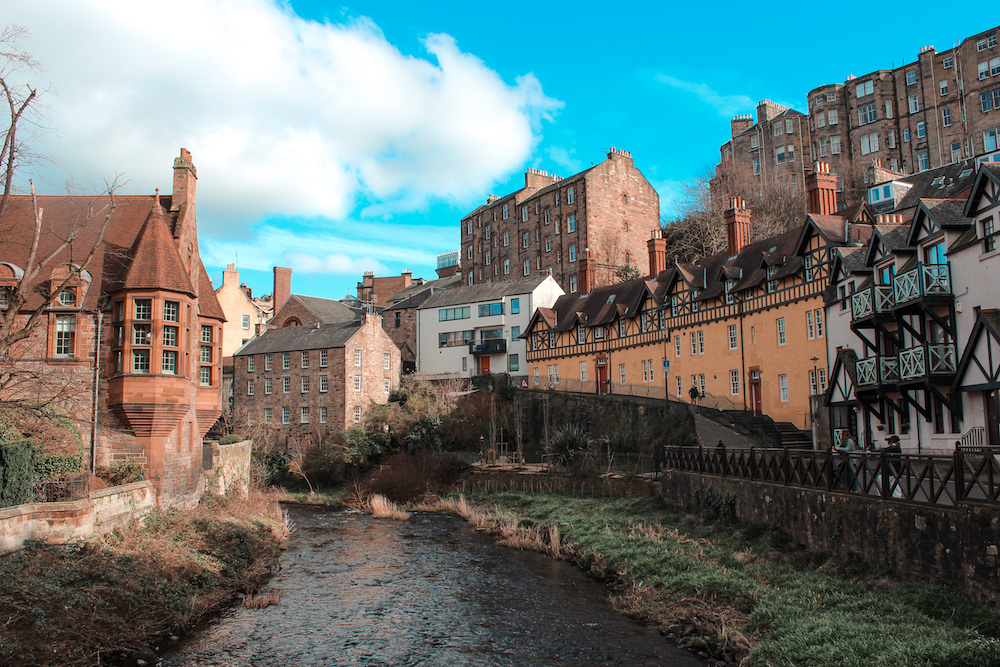
10. Old and New Towns of Edinburgh (United Kingdom)
I absolutely adore Edinburgh. It’s a city I return to again and again. Despite what you might think, the Old and New Towns of Edinburgh are both pretty old! The Old Town is dominated by the hilltop Edinburgh Castle, and many of the narrow streets and historic buildings like St. Giles Cathedral date back to medieval times. The New Town started to flourish in the 18th century, and is also very picturesque.
As the Scottish capital, Edinburgh has played an important role for many centuries. There’s so much to do here (many of my favorite things to do in Edinburgh are free), from visiting museums and historic attractions to taking scenic walks. Definitely a city where you want to stay for at least a few days!
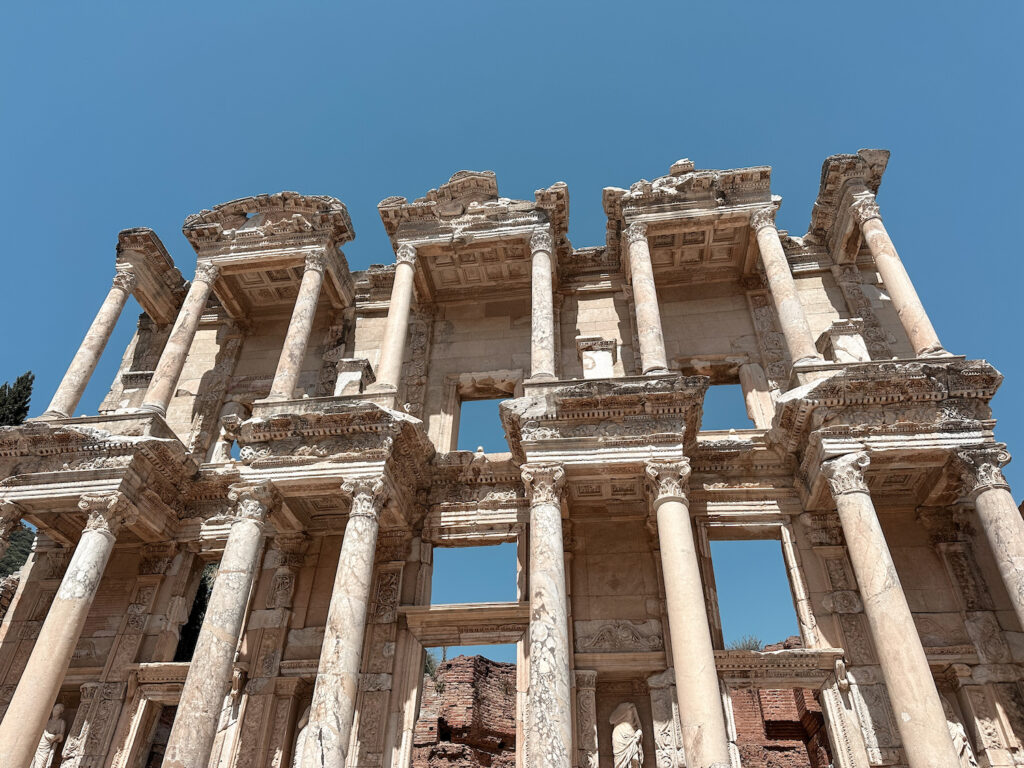
11. Ephesus (Turkey)
Located in what is now Turkey, Ephesus was once a great city of ancient Greece. It later came under the control of the Romans, and was a thriving port city. Although little of it remains today beyond some columns, the Temple of Artemis in Ephesus was named one of the Seven Ancient Wonders of the World.
Other ruins that you can visit at Ephesus include the Library of Celsius and the Great Theater. I’d actually love to revisit Ephesus one day — when I went, it was a scorching day in the middle of July, and I couldn’t fully appreciate it. This is definitely a great place to visit (like many on this list) in the off season.
12. Taj Mahal (India)
It was really hard for me to narrow down the best UNESCO World Heritage Site in India, because all of the ones I visited blew me away. But the Taj Mahal has to be my top pick because it’s one of those places that’s even more impressive in real life compared to what you see in photos. A true bucket list destination!
Built in the 17th century by a Mughal emperor in memory of his wife, the Taj Mahal is the ultimate gesture of love. It’s located in Agra, India, which is one of the stops along the popular Golden Triangle route. Traveling this route of Delhi, Agra, and Jaipur means you’ll visit a handful of amazing World Heritage Sites.

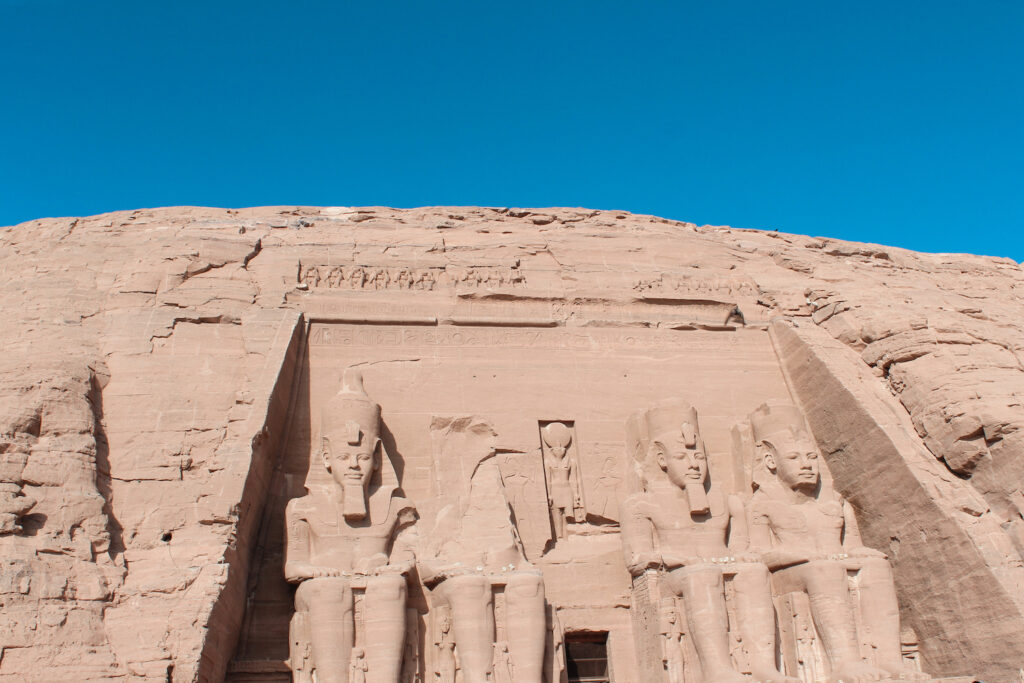
13. Nubian Monuments from Abu Simbel to Philae (Egypt)
There are some countries where I feel like there are obvious oversights in the UNESCO World Heritage Sites list. For example, I can’t believe that the Pyramids of Giza in Egypt are not an official site! But the Nubian Monuments from Abu Simbel to Philae are on the list, and they are jaw-droppingly incredible.
The Egyptian city of Aswan is a good base for exploring these monuments, of which there are eleven. The most impressive to me are the Temple of Abu Simbel and the Temple of Philae. Thanks to their UNESCO designation, these monuments were saved from the rising waters of the Nile River in the 20th century.
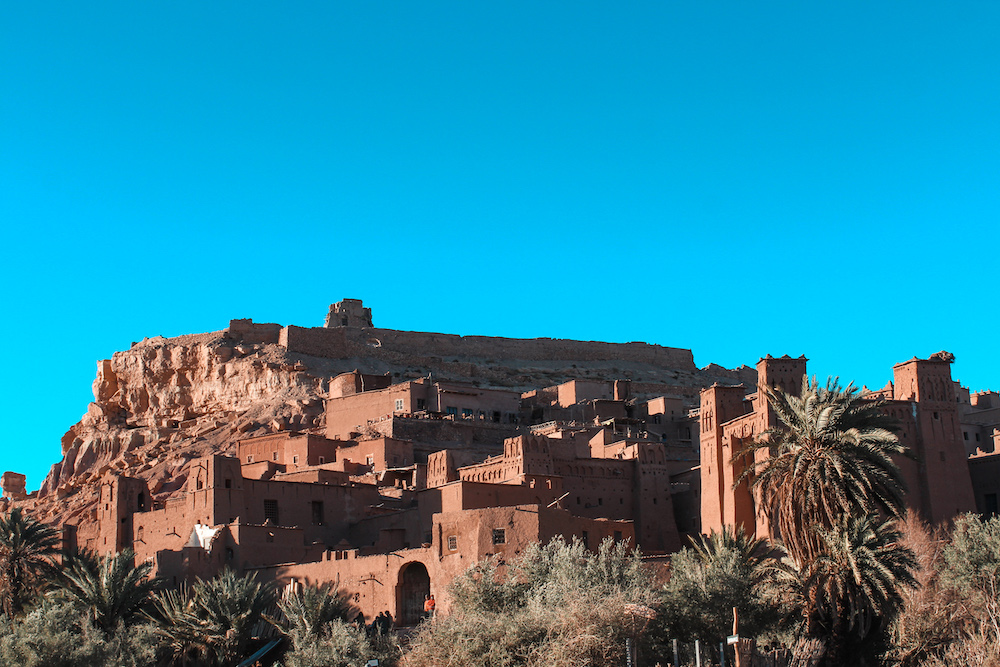
14. Ksar of Ait-Ben-Haddou (Morocco)
Some places just leave you awestruck and feeling like you’re living in a movie, and that’s how I felt in Ksar of Ait-Ben-Haddou. It’s probably because this fortified village on a historic caravan route from Marrakech to the Sahara has actually been used as the filming site for countless movies and TV shows!
The earthen buildings here are a striking type of ancient architecture, keeping cool from the desert heat. While you can technically visit Ait-Ben-Haddou on a day trip from Marrakech, it will be a long day. I personally visited this place along the way to the Sahara Desert, and it broke up the lengthy journey nicely.
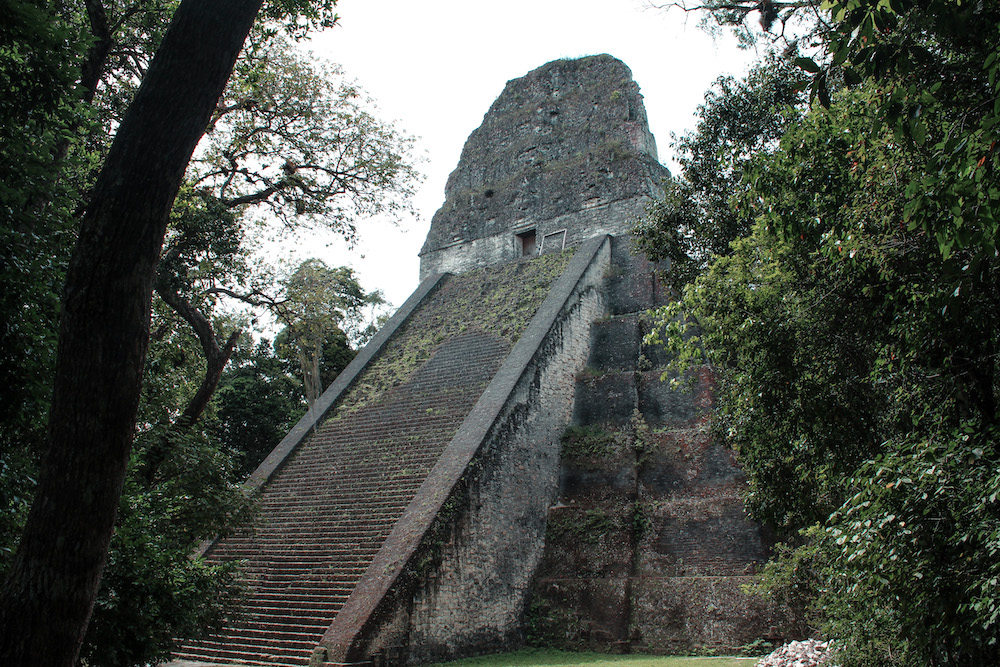
15. Tikal National Park (Guatemala)
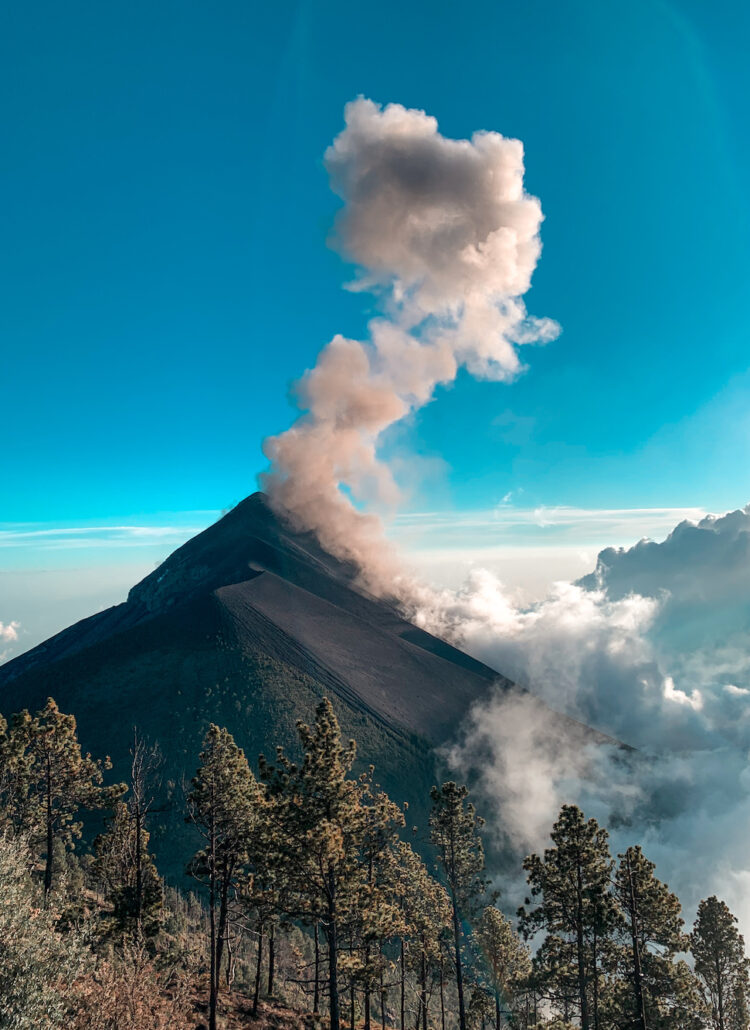
Guatemala is one of the countries where I have spent the most time (several months), and it’s absolutely filled with amazing destinations. But Tikal National Park is among the best. These ancient ruins represent what was once a major site of the Mayan civilization, from the 6th century BC to the 10th century AD.
Tikal was mysteriously abandoned (likely due to drought, overexploitation of resources, climate change, and overpopulation), and remained hidden in the jungle until the 19th century. Today, it’s an incredible place to explore. I recommend staying overnight in Tikal for a really unique experience.
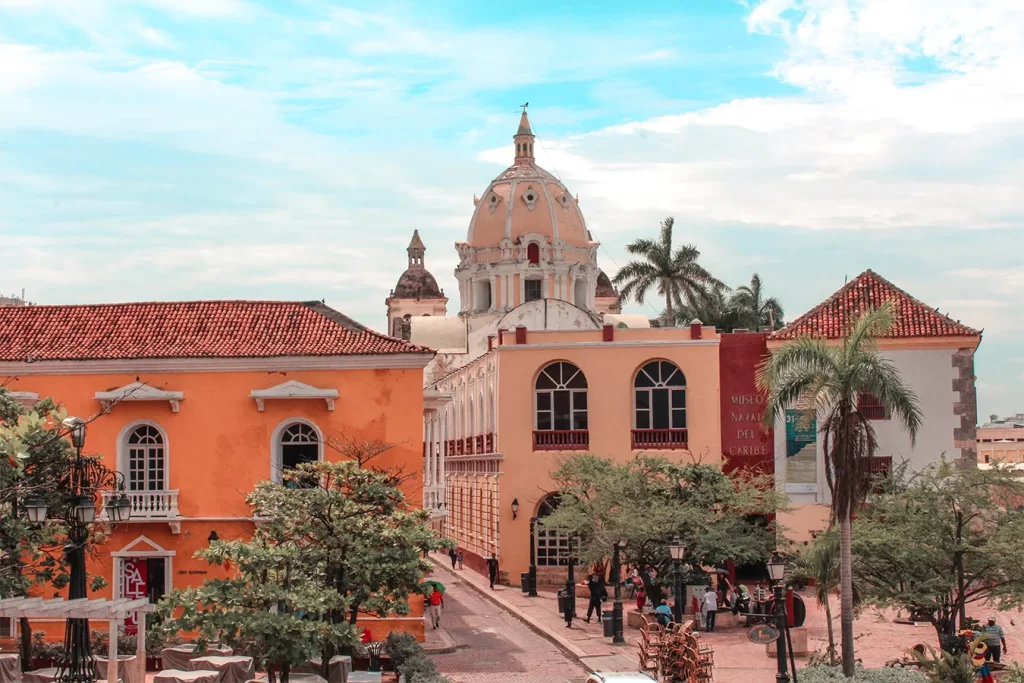
16. Port, Fortresses and Group of Monuments, Cartagena (Colombia)
Cartagena is an extremely interesting South American city. Because of its location, it feels very Caribbean. Due to its strategic location on the Caribbean Sea, Cartagena was historically a very important port city. Today, many of the city’s colonial-era fortresses and monuments remain remarkably well-preserved.
The history and architecture of Cartagena are interesting, but it’s also a vibrant city with great culture, art, and food. It’s worth staying in Cartagena for at least a few days. Outside the historic Walled City, you can reach the beaches of Bocagrande, or better yet, take a boat trip to the nearby Rosario Islands.
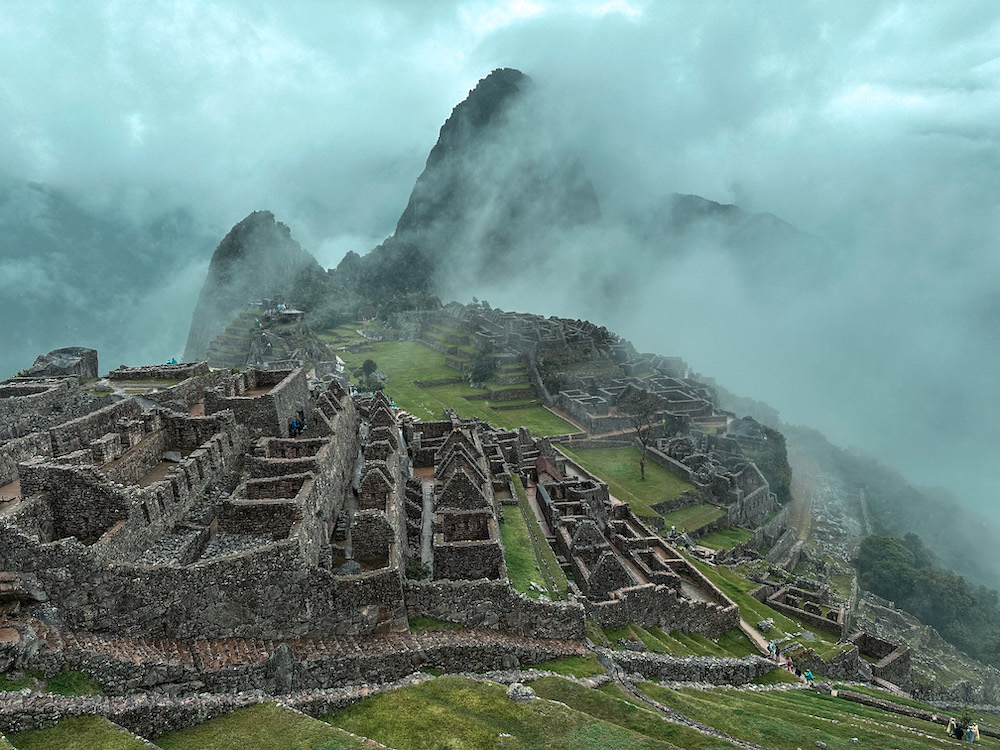
17. Historic Sanctuary of Machu Picchu (Peru)
The experience of seeing Machu Picchu for the first time, shrouded in fog and mist, appearing amidst the peaks in front of me, was something I’ll never forget. This ancient citadel was one of the most important sites of the Inca Empire, constructed in the mid-15th century. It’s a truly remarkable place.
Getting here is half the fun, because Machu Picchu is only accessible on foot (hiking the famous Inca Trail) or by train, arriving in the town of Aguas Calientes. If you take the train like I did, I recommend arriving in Aguas Calientes the night before and visiting Machu Picchu first thing in the morning.
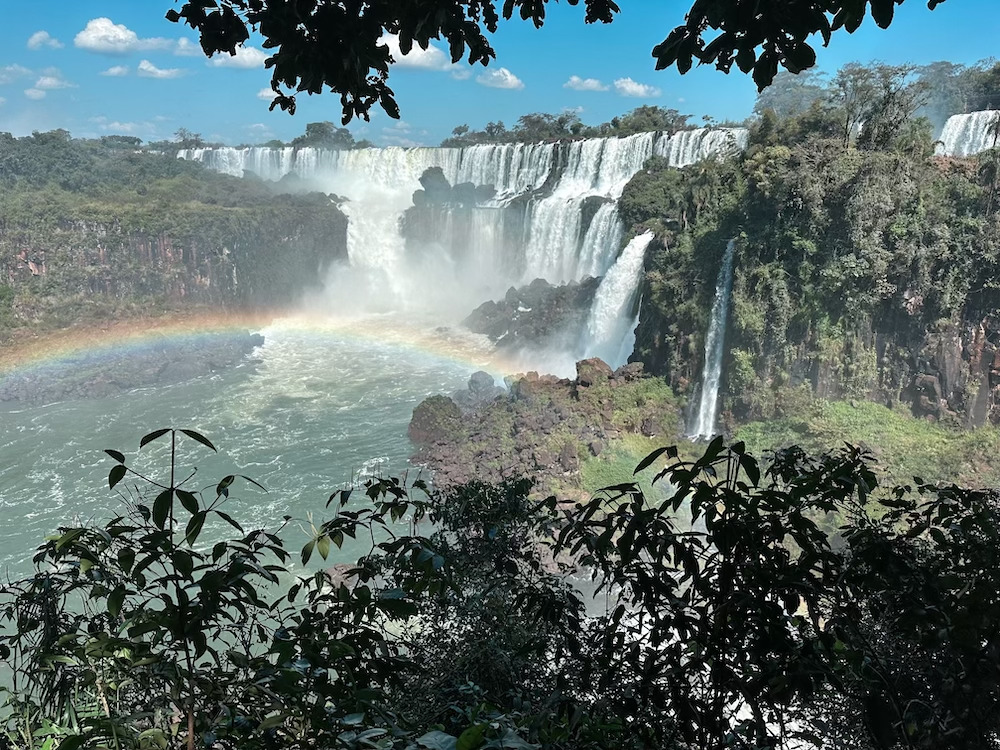
18. Iguazu National Park (Argentina)
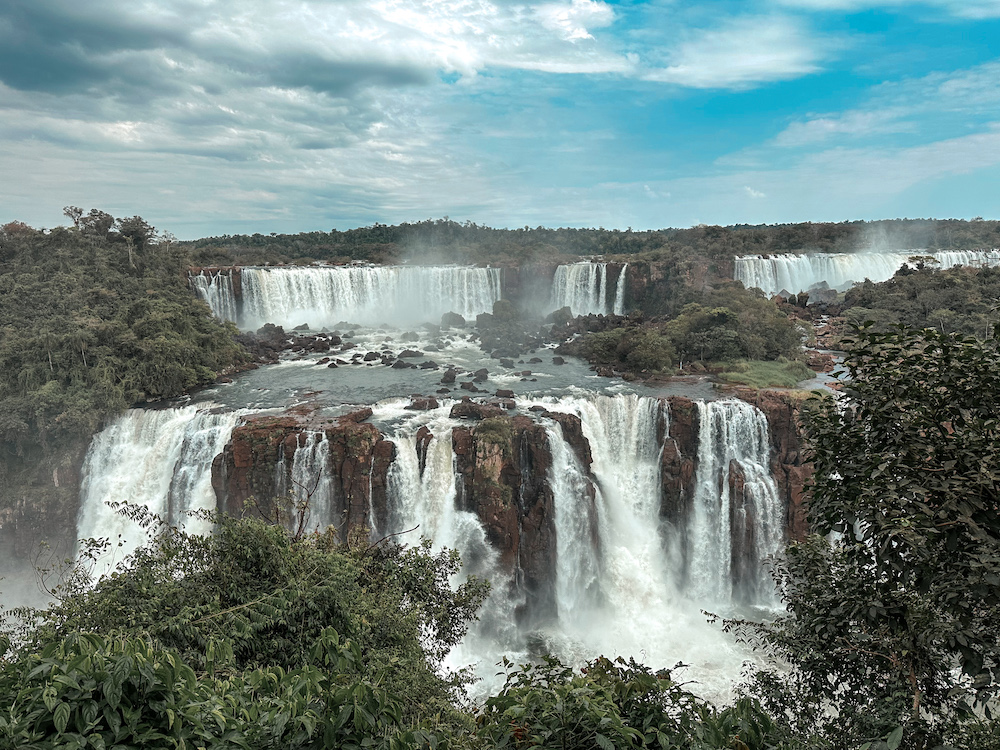
All of the sites on this list so far have been cultural (which makes up the largest share of UNESCO World Heritage Sites), but now I have a natural site for you! And that is Iguazu National Park in Argentina. Iguazu Falls is one of the most beautiful places I’ve ever been, consisting of 275 individual waterfalls.
You can stay in the nearby town of Puerto Iguazu, which makes a great base for exploring the national park. The Argentinian side of the park is the largest, and I recommend spending a full day here. However, the national park is split between Argentina and Brazil, which leads me to the next entry on this list…
19. Iguaçu National Park (Brazil)
I couldn’t talk about Iguazu Falls without including the Brazilian side, Iguaçu National Park! This national park is smaller with fewer walking trails, but provides equally impressive views of the falls. I’ve written about which side of Iguazu Falls is better, but the truth is, they’re both worth it for their own reasons!
I stayed on the Argentinian side of the falls (in Puerto Iguazu), but took a taxi over to the Brazilian side on one of the days I was there. It’s a short drive, and crossing the border doesn’t take too much time. You don’t need a full day for this national park — you can walk through it all in just a few hours.
20. Statue of Liberty (United States)
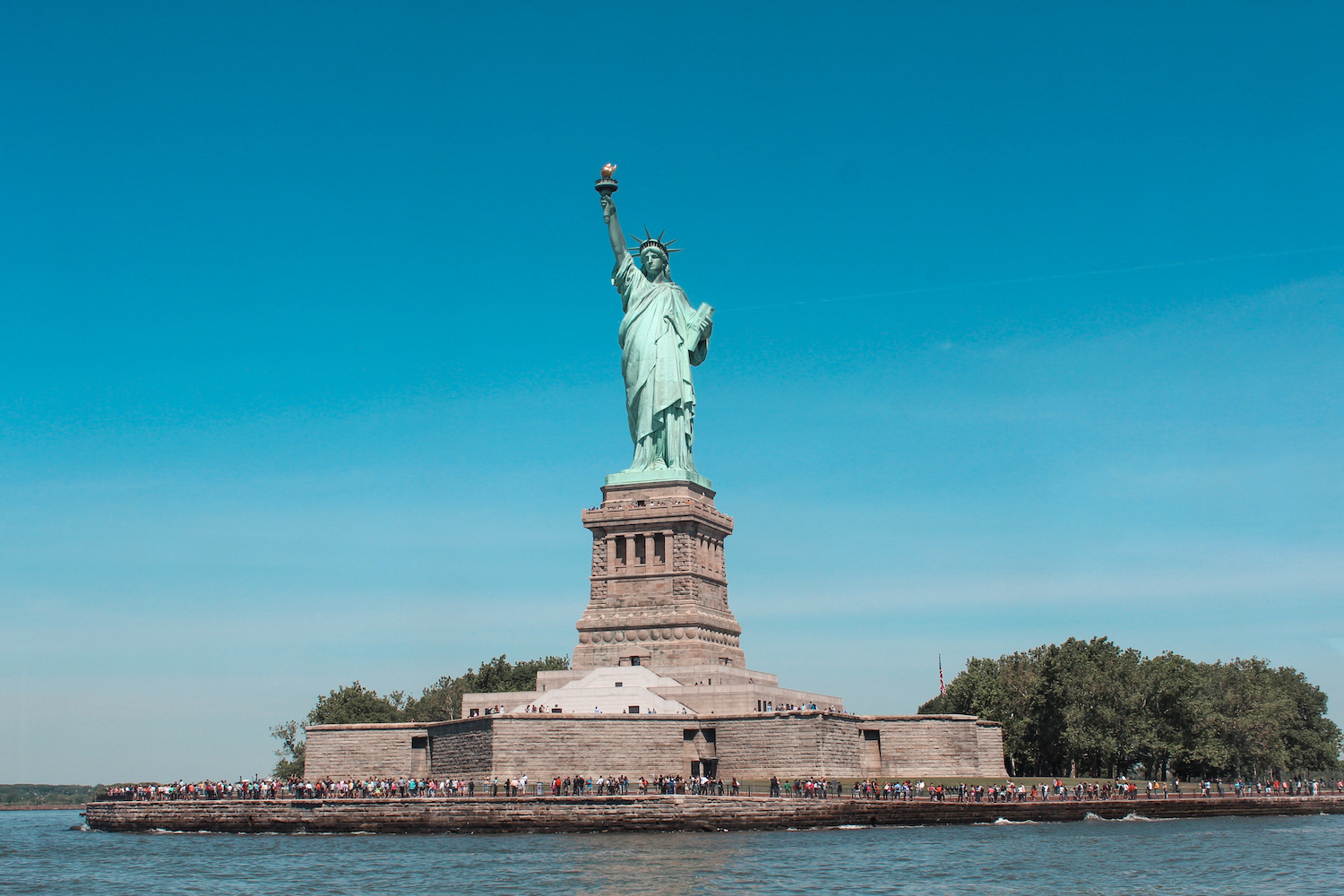
Finally, I had to include one World Heritage Site from the US! There are many great sites in my home country, including some amazing national parks, but I had to go with an icon of the US instead, the Statue of Liberty. Located in my home of New York, this monument was a gift from France in 1886.
Standing proud in the midst of New York Harbor, Lady Liberty was the first thing millions of immigrants saw when arriving in the US for the first time. I think it’s a beautiful monument and a reminder that the US is a country built by immigrants, for immigrants. This is a must-visit spot on my NYC bucket list.
Top UNESCO World Heritage Sites to Visit
This guide showed you the best UNESCO World Heritage Sites to visit.
As I mentioned, there are more than 1,200 World Heritage Sites across the globe, and I have only visited 110 of them at the time of writing this. So I have truly only scratched the surface! That being said, I have been lucky enough to visit many amazing sites, and these are the top 20 that stand out to me the most.
Happy exploring!
Related Guides: