Things to Know Before Backpacking Central America
Backpacking Central America was one of the highlights of my twenties. I had such an amazing time spending many months exploring all of the countries that make up this beautiful region of the world.
Are you planning on backpacking Central America, and looking for some tips and advice?
Congrats on making the decision to take the trip of a lifetime! Central America will always be a special place for me, because it’s where I took my very first multi-month solo backpacking trip in my twenties.
This region of the world is perfect for backpackers, offering diverse scenery, stunning natural beauty, rich culture, adrenaline-pumping activities, and budget-friendly prices. In Central America, you can hike up volcanoes, explore ancient ruins, learn how to surf, and shop at local markets — all in the same week.
Central America is a region within North America, consisting of Belize, Guatemala, El Salvador, Honduras, Nicaragua, Costa Rica, and Panama. Some people also include Mexico in their Central America backpacking itinerary, although Mexico is a huge country, larger than all the rest combined.
If you’re planning to backpack around Central America soon, it’s important to be prepared and know what to expect. These are some of the most important things to know before you go:
1. Learn some Spanish!
One of the biggest tips I can give you for backpacking Central America is to learn some Spanish either before you go or when you get there. Every country in Central America is Spanish-speaking, with the exception of Belize. (English is the primary language there.) So it definitely helps to know some Spanish!
Although most people who work in tourism and hospitality speak at least some English, it’s not widely spoken outside of that. You could get by without knowing Spanish, but it might get tricky!
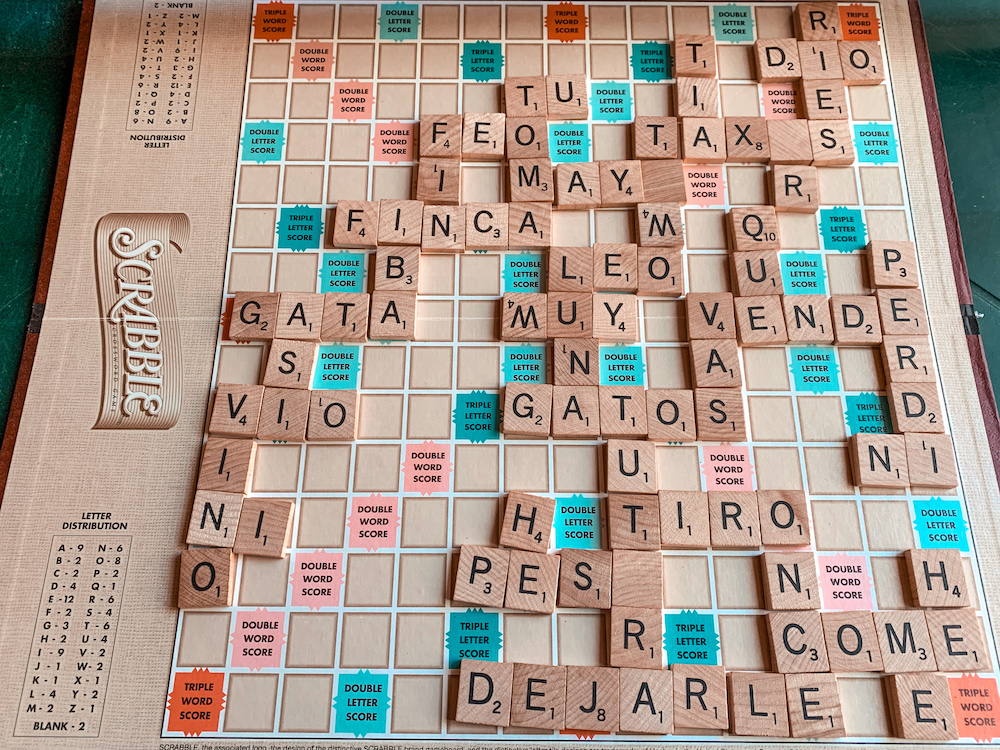
One thing that many people do is learn Spanish in Central America. Guatemala in particular is one of the best countries to learn Spanish, and you will find affordable, immersive Spanish schools all around the country. I did this for a month at the start of my Central America backpacking trip to refresh my Spanish.
It was such a fun and helpful experience, and I literally regained all of the Spanish knowledge I had learned for five years in school, and then some, just from daily one-on-one lessons in Guatemala.
2. Plan your itinerary.
You don’t need to book things very far in advance when backpacking Central America, and it’s a good idea to leave room in your itinerary for spontaneity, but you should also at least have a rough route planned.
If you want to backpack all of Central America from Mexico or Guatemala down to Panama, you should have at least three months. You could also do this route in reverse, but most people seem to do north to south.
If you only have one month, then I recommend picking just a few countries to focus on (e.g. Mexico’s Yucatan Peninsula, Belize, and Guatemala.) You don’t want to be rushing around all the time!
Many people start backpacking Central America in Mexico (Cancun) or Guatemala (Guatemala City) and finish in Panama (Panama City) because these are all big, international airports with lots of flights. Once you’re on the ground, it’s best to travel overland, because flights within Central America can be pricey.
3. Some countries are pricier than others.
Although many people think of Central America as a budget-friendly region for backpackers, the truth is that some countries are a lot more expensive than others. There are even big differences within countries.
The priciest countries in Central America are Costa Rica, Belize, and Panama. The cheapest countries in Central America are Guatemala and Nicaragua. But even within a country like Guatemala, you’ll find that popular destinations like Antigua are more expensive than somewhere less touristy like Xela.
For your Central America backpacking budget, you can get by with less than $50 a day in some countries, but for the ones I mentioned above that are the priciest, you should budget more like $100 a day.
4. Understand the weather.
Central America as a whole is warm, humid, and tropical. There are two distinct season: dry season (from December to April) and rainy season (from May to November.) Dry season is high season in most parts of Central America, and it’s when I planned my trip. However, it’s possible to travel in rainy season, too.
Rainy season is just (obviously) wetter, and the weather is even more hot and humid. When packing for Central America at any time of year, you’ll want to pack lots of light, cool clothing.
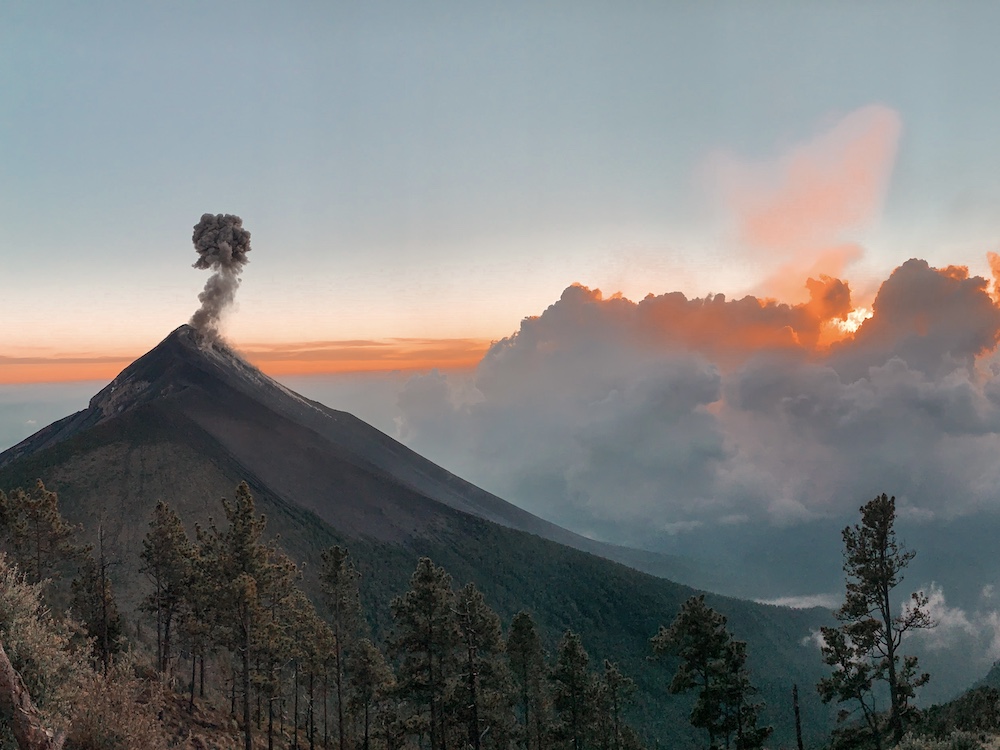
There were only a few places where I actually felt cold in Central America. Mainly Guatemala, where I spent several weeks in the Western Highlands of the country. If you do the popular Acatenango volcano hike, it also gets freezing up at the top. And also in the cloud forests of Costa Rica, it was pretty chilly.
For this reason, I recommend packing one or two cold-weather outfits. Leggings, warm socks, a base layer, a sweatshirt, and a lightweight jacket that doesn’t take up much space is all you need.
5. Pack light.
On the subject of packing for Central America, you’ll definitely want to pack light! For several months, you can easily pack everything you need into a backpack (50L or less) or a carry-on suitcase.
Since the climate is primarily tropical like I mentioned, you can pack a lot of lightweight clothing like shorts, tee shirts, tank tops, sundresses, and so on. For shoes, all I packed were a pair of sneakers and a pair of Birkenstock sandals. You’ll thank yourself for keeping your luggage as light as possible.
It’s easy to do laundry while backpacking Central America. You can do it yourself at a laundromat, but it’s also very common and very affordable to have a laundry service do it for you in most destinations.
6. You’ll be active and outdoorsy.
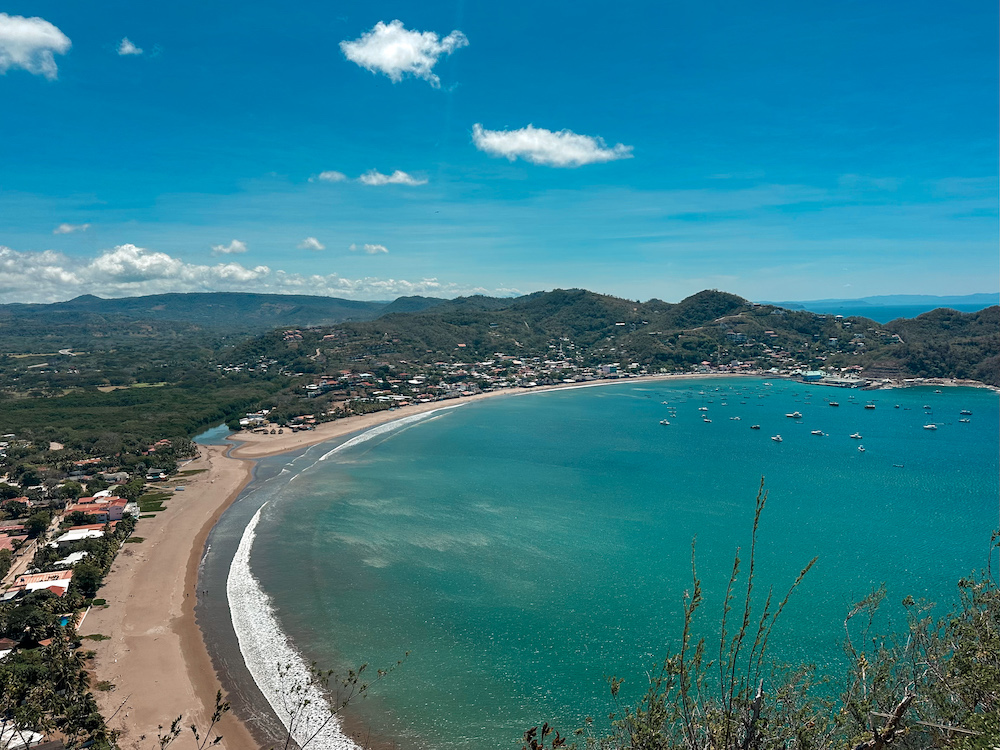
Central America is a major destination for active, outdoor adventures. This is slightly outside my comfort zone (I’m definitely more of a city person), but I ended up loving all of the nature in Central America.
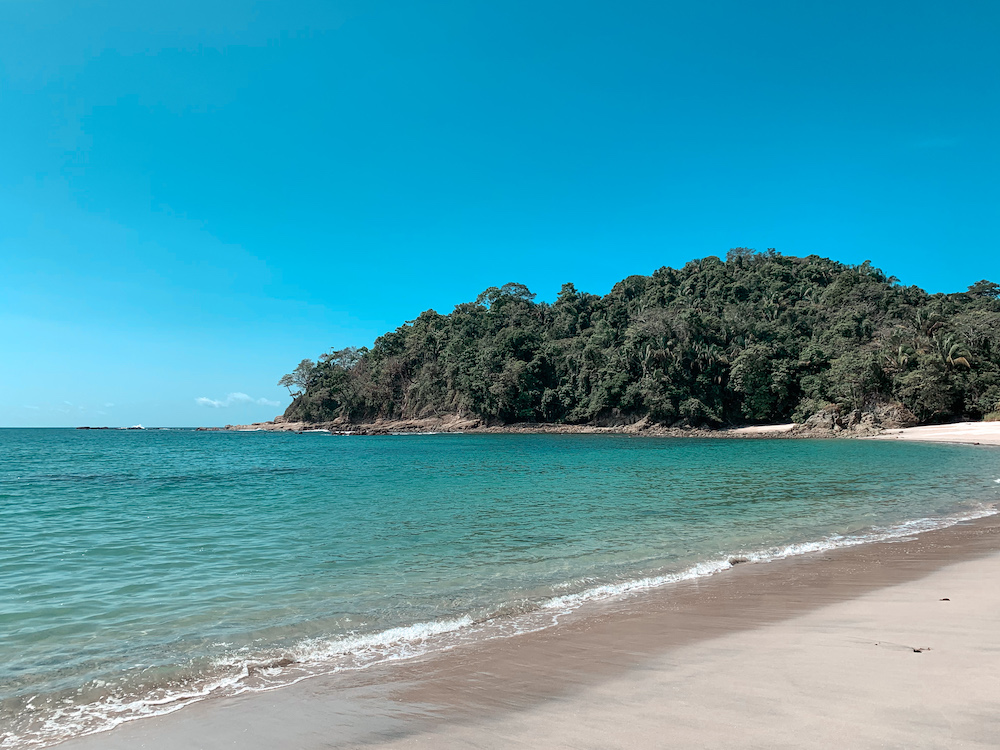
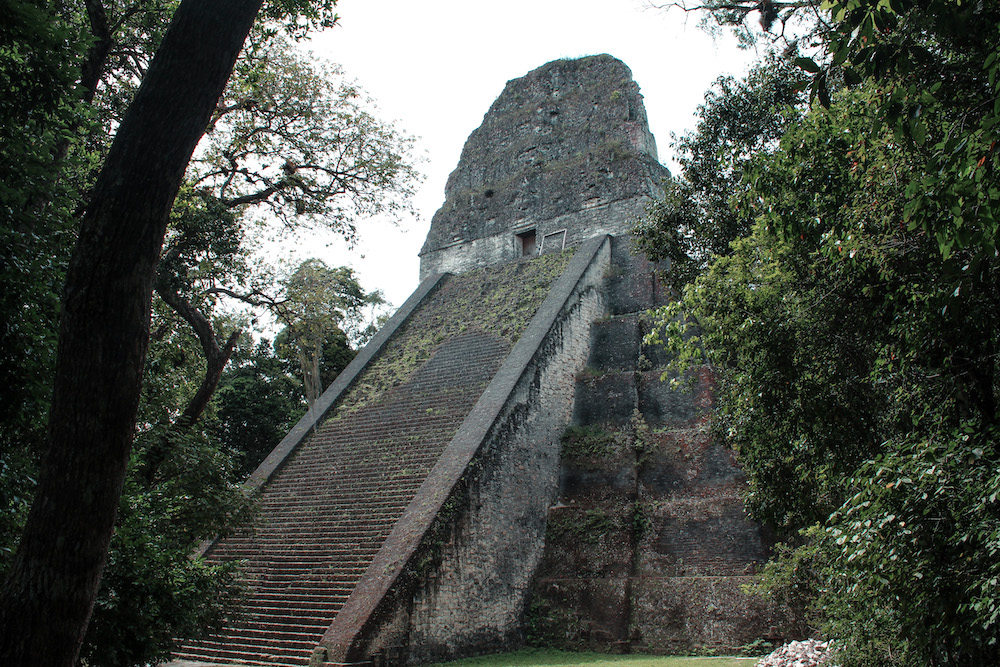
From heading deep into the jungle to explore the ruins of Tikal, Guatemala to going volcano boarding on Cerro Negro from Leon, Nicaragua to hitting the beach in Puerto Viejo, Costa Rica, I spent a lot of time outdoors doing physical activities in Central America. This is definitely where the region shines!
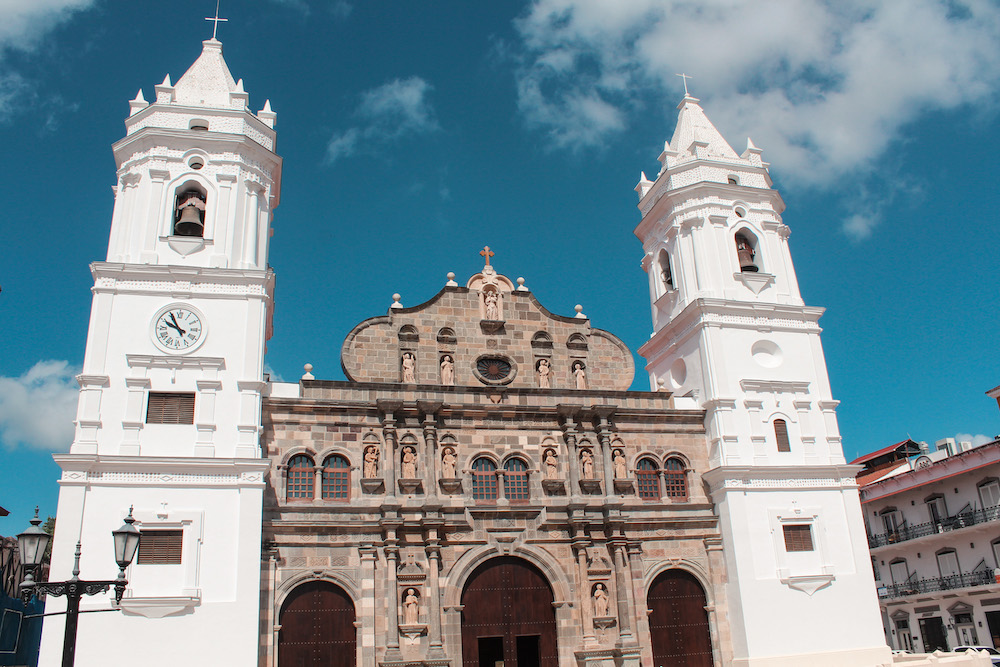
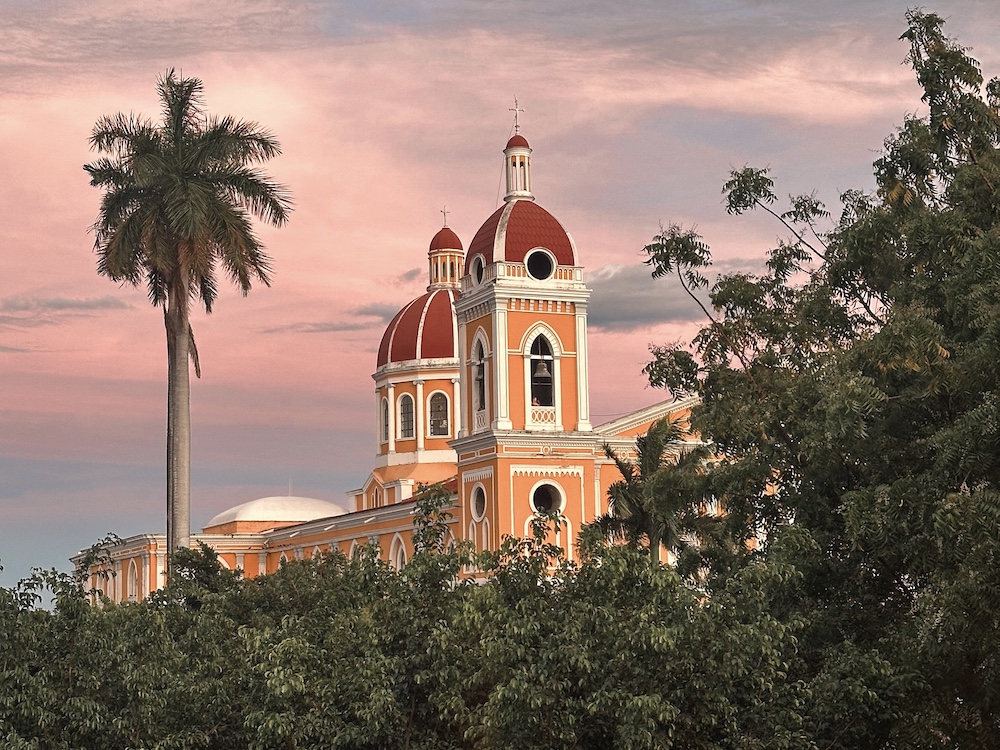
But if you love cities like me, you can still get your fill of them. I recommend smaller colonial cities (like Antigua, Guatemala or Leon, Nicaragua) rather than the capitals. The exception to this is Panama City, which is the most modern and cosmopolitan capital in Central America, with a charming Old Town.
Central America is really all about the outdoors, though. Beaches, lakes, jungles, cloud forests, volcanoes, and more — this is the place to go if you want to discover stunning nature and try exciting activities.
7. Keep yourself safe.
As I’ve written about in my guide to solo female travel in Central America, the region often gets a bad reputation when it comes to safety. A lot of this is outdated information or exaggerated fear-mongering.
I felt perfectly safe in all of Central America — yes, even in the more “dangerous” countries of Honduras and El Salvador. But you do have to exercise caution and common sense wherever you go.
Don’t walk alone at night or in unfamiliar areas, always walk confidently and with purpose, do plenty of research on the destinations you’re visiting, ignore street harassment, listen to your gut, and be hyper-vigilant about your belongings, especially when you’re in crowded areas or on buses in Central America.
8. Be careful to avoid food poisoning.
Speaking of safety, let’s also talk about your physical health. There’s nothing that will ruin your trip faster than a bad bout of food poisoning that leaves you bedridden and feeling awful for days.
I’ve written a whole guide about how to avoid food poisoning when traveling, which I recommend reading. But in general, it’s important to be careful what you eat, taking particular care with fruits, uncooked vegetables, and street food. You should also almost always avoid drinking tap water.
Some parts of Costa Rica and Panama have tap water that’s okay to drink, but in general, you should stick to filtered water only. I recommend getting a LifeStraw filtering water bottle for your travels!

9. Get used to long travel days.
One thing to prepare for when backpacking Central America is some long travel days. Don’t be fooled by the distances on Google Maps — it often takes a LOT longer to get places than you might expect.
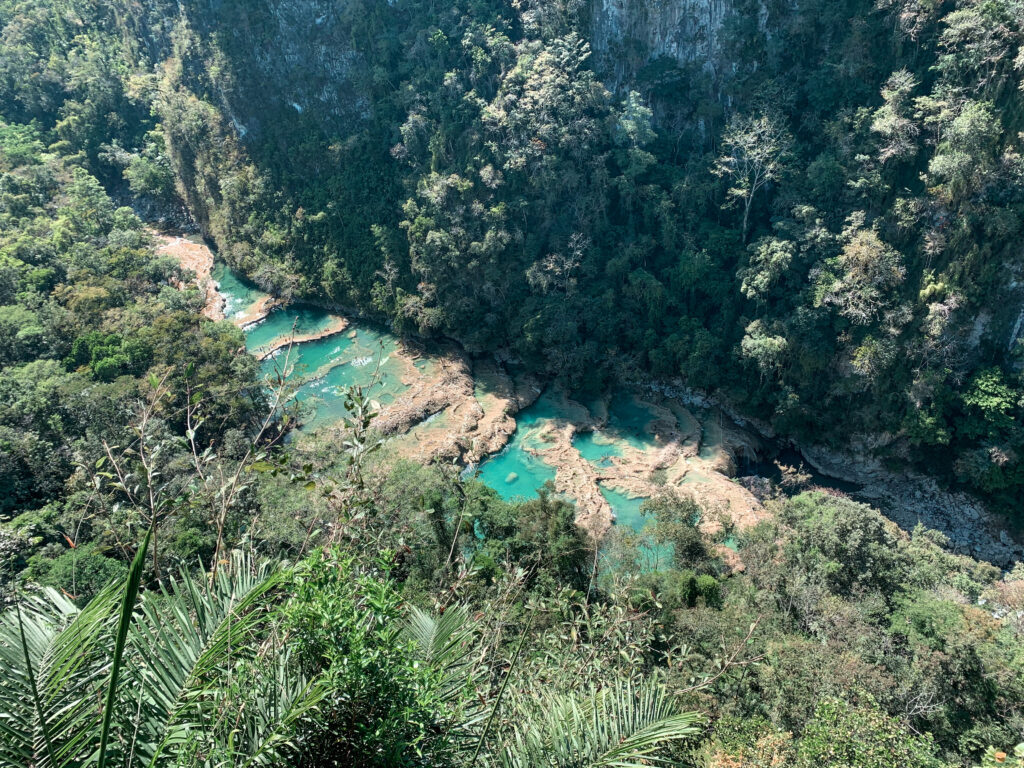
Whether you’re traveling by chicken bus (public transportation) or a tourist shuttle, you might make lots of stops, travel on small, winding roads, or encounter roadblocks, construction, and traffic. Trips like Antigua to Semuc Champey are extremely long, but the destination is well worth the journey.
For shorter trips that don’t require any transfers, chicken buses are fine, but I always splurged for a more comfortable tourist shuttle for long journeys. Eight-hour travel days become the norm for you when traveling in Central America. Always have snacks, water, and entertainment on hand for long journeys!
10. Prepare for border crossings.
Traveling overland is the most common way to get around in Central America, which means you’re likely to encounter multiple land border crossings on your backpacking journey.
It’s important to research the entry requirements for each country you’re visiting, which vary based on your nationality. For example, as an American, I can enter Honduras visa-free, but I met a lot of British travelers who bypassed Honduras because they’re required to apply for a visa there.
Speaking of American travelers, you can visit all Central American countries visa-free. But you still might need to pay an exit or entry fee at border crossings, or complete some forms. Be sure to research specific border crossings and requirements in advance so you don’t face any unpleasant surprises.
Border fees usually need to be paid in cash, so be sure you have the exact amounts needed!
11. Cash is king.
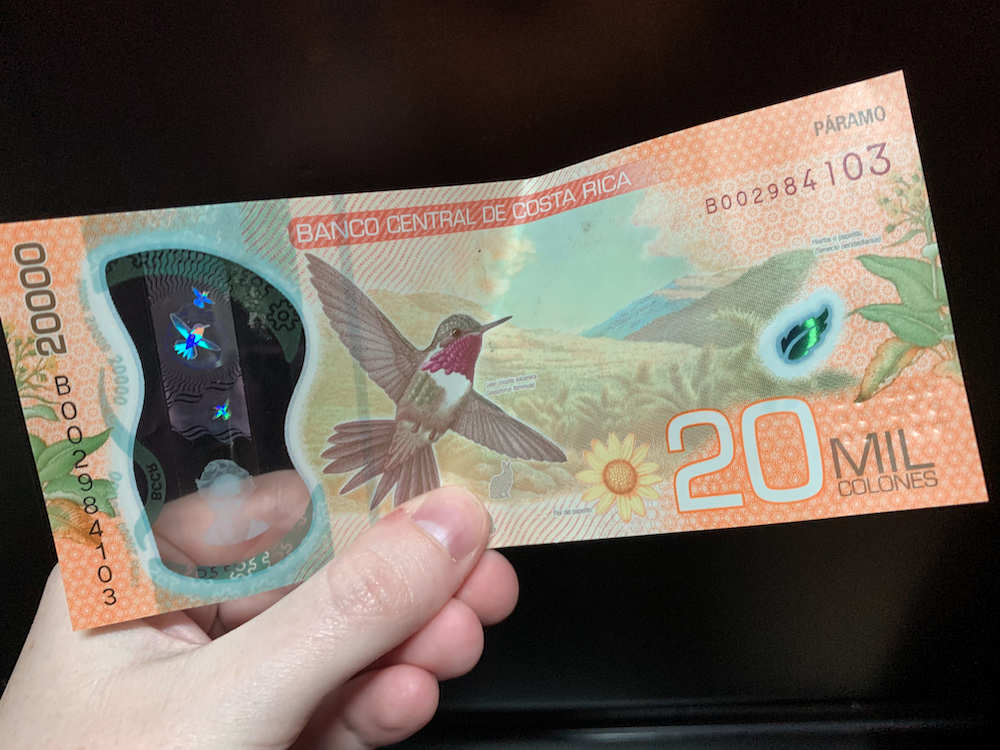
And while we’re talking about cash, it’s important to note that cash is king in most parts of Central America. You can pay by card in many hotels and restaurants, but for things like paying for transportation and activities, or buying things in small shops or from local vendors, you will need cash.
The currency in every Central American country is different, so I recommend getting a checking account with no international transaction fees or ATM fees (I use Charles Schwab!) so you can withdraw cash wherever you go. For Americans, the official currency of El Salvador and Panama is the U.S. dollar.
Some other countries also accept U.S. dollars, but it might be at a worse exchange rate than the local currency. It’s a good idea to always have at least $50 to $100 of local currency with you for emergencies.
12. You’ll meet tons of other backpackers.
Finally, one thing to know is that you’ll meet many other travelers while backpacking Central America. It’s a popular region to travel in, and many people follow a similar route throughout Central America.
I met some great friends on my multi-month trip to Central America, some of whom I kept in touch with afterwards. It’s so easy to make friends while backpacking in Central America.
Staying in hostels (even if you book a private room like I always did), booking tours and activities, and even shared transportation are good ways to meet people. I made friends at my Spanish school in Guatemala, on a tour in Costa Rica, at my hostel in Panama, and on a long bus ride from El Salvador to Nicaragua.
Central America Backpacking Tips
This guide shared important tips to know before backpacking Central America.
Traveling in Central America is a fun and unforgettable experience. It’s a great region for solo backpacking, and I am so glad that I went there. These tips will help you prepare for your trip too.
Enjoy your time in Central America!
Related Guides: